
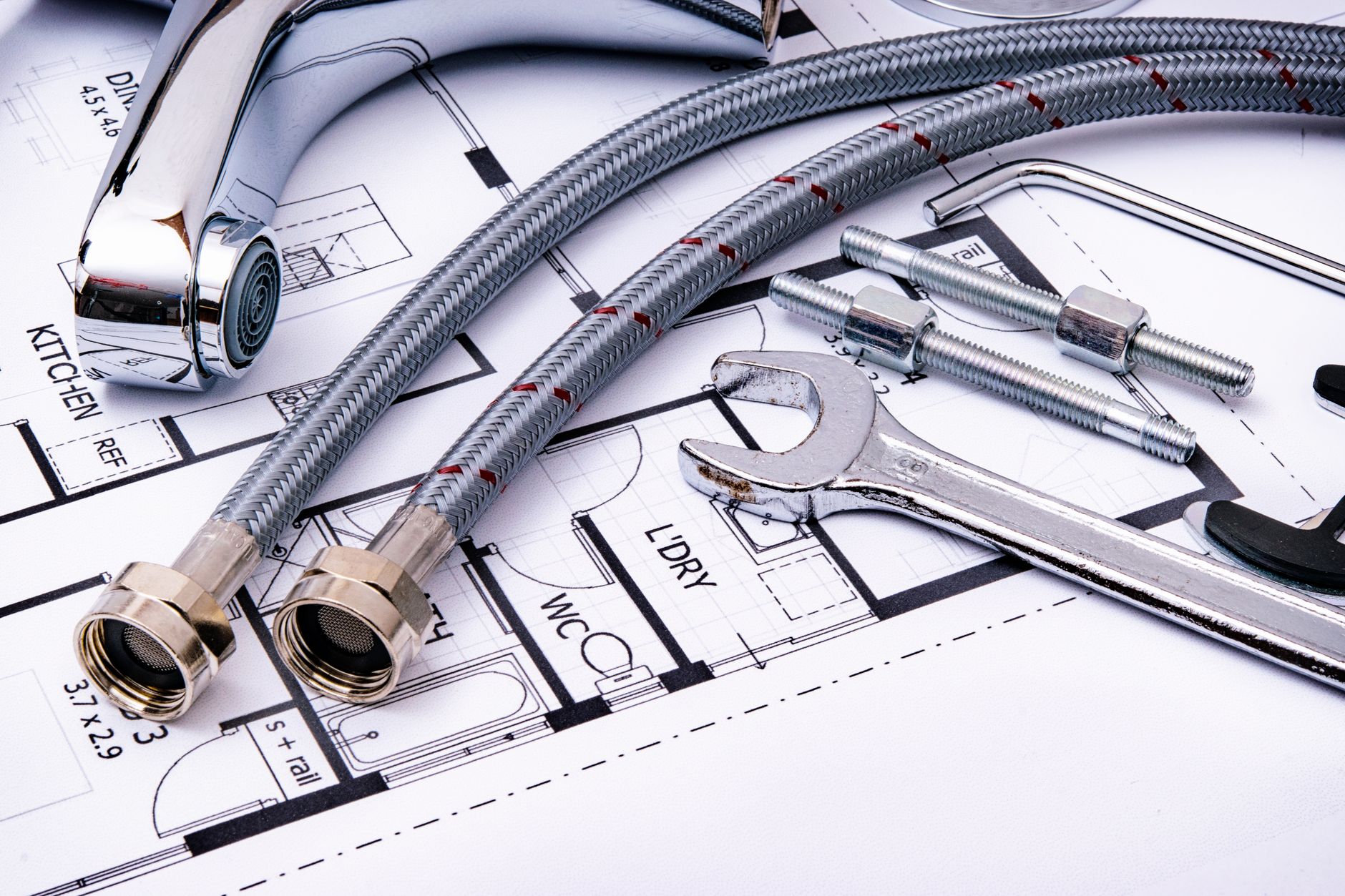
Summer is a critical season for plumbing maintenance in Florida. Between irrigation systems running daily, pool upkeep, frequent showers, and the relentless heat putting extra stress on water lines, your home’s plumbing works overtime. Warm temperatures accelerate wear on materials and can expose weaknesses you didn’t know existed. By performing a thorough summer plumbing check now, you can prevent leaks, reduce water bills, and avoid the kind of water damage that turns into a nightmare during our wet season. This guide provides detailed steps for inspecting, maintaining, and improving the efficiency of your household plumbing systems.
Start with a Visual Inspection of All Visible Pipes
Begin with a careful look at all visible pipes, both indoors and outdoors. Check for signs of leaks, corrosion, or discoloration on copper, PVC, or galvanized pipes. In Florida’s humid climate, copper pipes are especially prone to corrosion over time, and galvanized pipes can develop rust spots that weaken the system. Inspect joints and connections carefully for water drips, mineral buildup, or green or white staining that indicates a problem. Even small leaks can escalate quickly in our climate, causing structural damage, mold growth (which spreads fast in Florida humidity), and higher utility bills. Early detection is your best defense. Pay special attention to pipes under sinks, around the water heater, and any visible exterior lines that may be exposed to Florida’s intense sun.
Check Faucets, Sinks, and Toilets for Proper Operation
Next, go through each faucet, sink, and toilet in your home and test them carefully. Listen and look for dripping faucets, running toilets, or slow drainage. A dripping faucet might seem minor, but it can waste thousands of gallons a year—especially noticeable on your water bill during hot months when usage is already high. A running toilet is even worse, silently dumping water while you’re not paying attention. If your water heater is working to heat that wasted water, you’re losing money in two places. Replace washers, seals, or cartridges in faucets as needed, and adjust or replace faulty toilet components like flapper valves. These are usually inexpensive fixes you can handle yourself, or we can take care of it quickly. Regular faucet and fixture maintenance ensures water efficiency and keeps your utility costs in check.
Water Heaters Need Attention Too
Your water heater is another critical component for summer maintenance. Inspect the tank for corrosion, leaks, or sediment buildup—and in Florida, sediment is a real issue because our water tends to be hard. Drain a few gallons from the bottom to flush out sediment, which can reduce heating efficiency and shorten the heater’s lifespan considerably. Test the temperature setting, typically recommended around 120°F, to prevent scalding while maintaining energy efficiency. If your water heater is more than 10–12 years old, consider scheduling a professional inspection or replacement to prevent unexpected failures during peak usage. The last thing you want is a water heater failure in the middle of summer, especially if you’re dealing with guests or family visits to The Villages area.
Outdoor Plumbing Systems Deserve Real Attention
Outdoor plumbing requires careful attention, particularly if you have irrigation systems or a pool. Inspect your irrigation system, garden hoses, and outdoor faucets for leaks, clogs, or damaged connections. Ensure sprinkler heads are clear, aligned, and functioning properly to avoid uneven watering or water waste—and in Florida’s dry seasons, efficient irrigation makes a real difference. Check your lawn for wet spots that may indicate hidden leaks underground; these can waste hundreds of gallons without you realizing it. If you have a pool, inspect the plumbing and pumps to ensure proper circulation and filtration. Pool leaks are common and can waste a surprising amount of water fast. Proper outdoor plumbing maintenance prevents water waste, keeps your lawn and landscaping healthy, and ensures your pool equipment stays functional.
Keep Drains Clear and Flowing
Drains and pipes throughout the home should be addressed regularly. Clear kitchen and bathroom drains using safe, non-corrosive cleaners or a plunger to remove minor blockages before they become real problems. Avoid using harsh chemical drain cleaners that can damage pipes over time and harm Florida’s environment. Consider installing drain strainers in showers, tubs, and sinks to prevent hair, soap, and food debris from clogging pipes. In Florida homes with older plumbing, hair and sediment buildup happens fast. Regular attention to drains reduces backups and keeps plumbing systems operating efficiently.
Test Water Pressure and Shut-Off Valves
Preventative maintenance includes inspecting water pressure and testing shut-off valves, which are often overlooked until you need them in an emergency. High water pressure can stress pipes and joints, leading to leaks or bursts. Use a pressure gauge (inexpensive at any hardware store) to measure household pressure, typically recommended between 40–60 psi. If yours is running higher, adjust the pressure regulator. Test shut-off valves on sinks, toilets, and the main water line to ensure they operate smoothly. Functional valves allow you to quickly address leaks and reduce potential water damage if something goes wrong.
Consider a Professional Inspection
Finally, consider scheduling a professional plumbing inspection, especially if your home is older or you haven’t had one in several years. Licensed plumbers can detect hidden issues such as pipe corrosion, improper slope, or potential failures that aren’t visible to homeowners. Professional maintenance combined with homeowner care ensures plumbing systems remain safe, efficient, and reliable during high-demand summer months.
Summer plumbing maintenance is one of those jobs that pays for itself when it helps you avoid a major leak or water damage situation. By staying on top of these checks now, you’re protecting your home and keeping your water bills reasonable. Taking care of small problems before they become big ones is what good home ownership looks like, and it’s exactly the kind of work we do best.
Thomas Handyman Service is ready to help with any home repair or maintenance project. Call (352) 234-4248 or schedule service online at https://thomashandymanservice.com/contact/ — we show up on time, and we get it done right.