

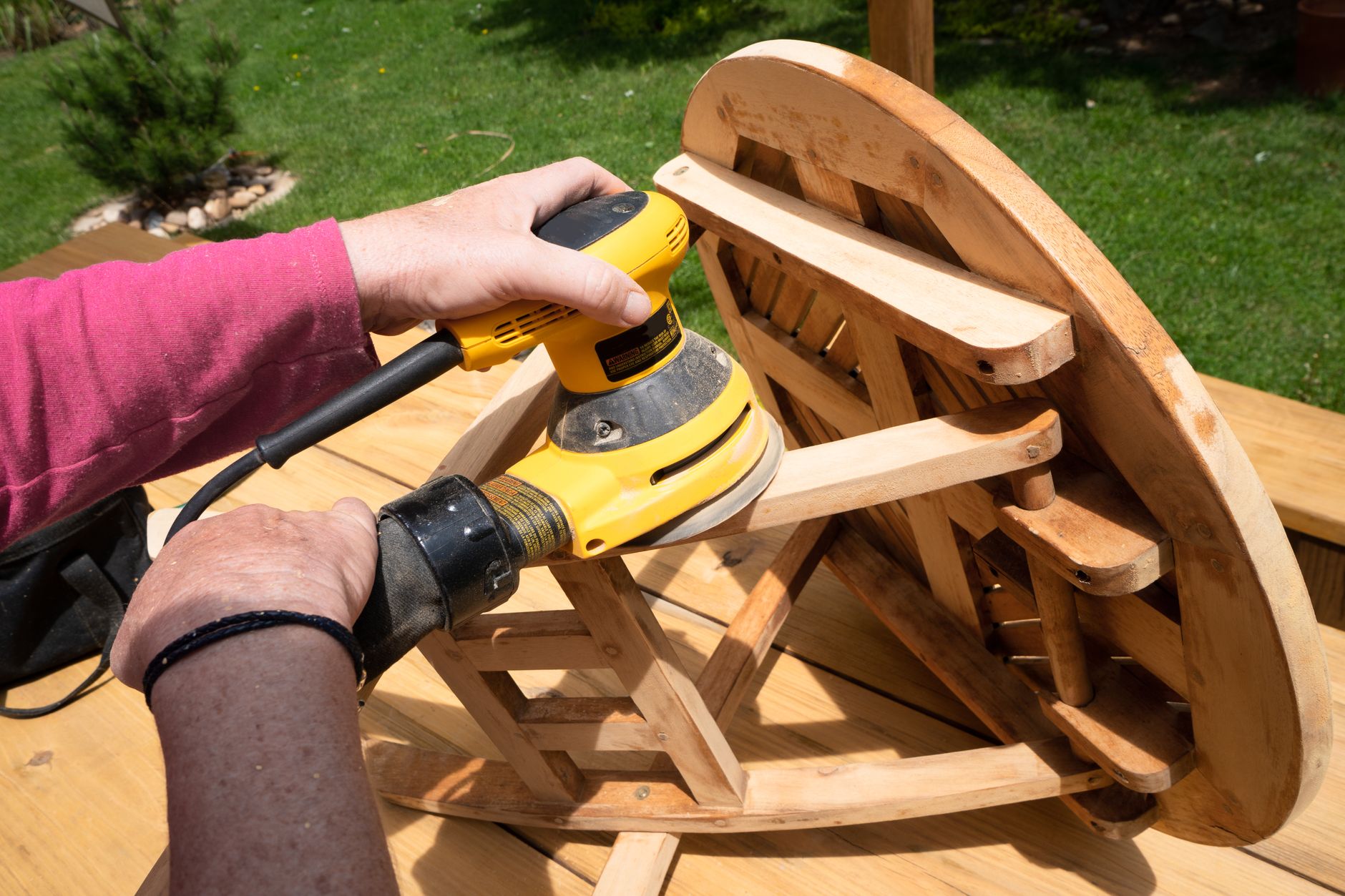
As summer approaches, maintaining your deck or patio is essential to ensure safety, durability, and a welcoming outdoor space for family and friends. Here in Central Florida, exposure to intense sun, frequent afternoon storms, and year-round humidity can cause wood, composite, or concrete surfaces to deteriorate faster than you’d expect. Performing regular maintenance in early summer helps prevent costly repairs, extends the lifespan of your outdoor structures, and keeps your deck or patio looking attractive throughout the season. This guide provides detailed steps for inspection, cleaning, repairs, sealing, and seasonal upkeep so you can enjoy your outdoor space without worry.
Start with a Thorough Visual Inspection
Walk your deck or patio carefully and look for loose boards, warped planks, cracks, or splintering. Check railings, stairs, and support posts to ensure they are stable and securely fastened. Examine gates, furniture, and decorative elements for damage or wear. Identifying issues early allows homeowners to address small problems before they escalate into safety hazards or expensive repairs.
Safety should always be the top priority, particularly if children or pets use the outdoor space regularly. In Florida’s humid climate, wood swells and contracts more than in drier regions, which can cause fasteners to loosen over time. Pay special attention to areas where the deck meets the house—water pooling in these spots can lead to rot that spreads faster than you’d think. Look for soft spots in the wood by pressing a screwdriver gently into suspect areas; if it sinks in easily, that’s a red flag.
Clean Thoroughly Before Summer Heats Up
Cleaning is a critical part of summer deck and patio maintenance, and it’s best done before the heat gets unbearable. Remove leaves, dirt, and debris using a broom or leaf blower. For wood decks, use a gentle deck cleaner or mild detergent with water and scrub with a soft-bristle brush to remove mildew, mold, and stains. Composite or PVC decks can be cleaned similarly, avoiding harsh chemicals that may damage the surface. Concrete patios may require a pressure washer on a low setting to remove dirt and mildew.
Proper cleaning not only enhances appearance but also prevents rot, mold growth, and material degradation. In Florida’s climate, mold and mildew can return in a matter of weeks once summer humidity kicks in, so don’t skip this step. If you notice stubborn black or green spots, they’re likely mold or algae—common problems for decks in our region. Some homeowners swear by oxygen-based deck cleaners, which are safer for the environment and gentler on wood than chlorine-based products. After cleaning, allow the surface to dry completely, ideally for two to three days of dry weather before applying any sealant.
Inspect for Structural Damage and Address It
For wood decks, look for signs of rot or insect damage, particularly near posts, beams, and areas exposed to standing water. Termites and carpenter ants are year-round concerns in Central Florida, so don’t ignore small holes or sawdust around the base of support posts. Replace any damaged boards or planks and reinforce weakened support structures. For composite decks, check for cracks, fading, or loose fasteners. Concrete patios should be inspected for cracks, shifting, or uneven surfaces, which can create tripping hazards and allow water to settle underneath, promoting erosion and shifting.
Addressing structural issues promptly ensures safety and prolongs the life of your deck or patio. Even small cracks in concrete can expand rapidly in Florida’s heat as the material expands and contracts seasonally. If you find soft or rotted wood, it’s better to replace those boards now rather than wait—the damage only spreads. If the structural damage is extensive, that’s when you’ll want professional help to ensure the repair is done safely and lasts.
Seal and Protect Against Florida’s Elements
Sealing and finishing are important steps for preserving materials, especially in Florida where UV damage and moisture are constant threats. Wood decks benefit from a high-quality sealant or stain that protects against moisture, UV damage, and insect activity. Apply sealant after thoroughly cleaning and allowing the surface to dry. Composite decks may require a manufacturer-approved protective product to maintain color and durability. Concrete patios can be treated with a sealant to prevent staining, water damage, and the freeze-thaw damage that occurs in areas with variable climates.
Sealing protects your investment and maintains curb appeal, but timing matters. Apply sealant on a day with low humidity and no rain in the forecast—early morning or late afternoon works best. In summer, that window can be tight, so plan ahead. Wood decks typically need resealing every two to three years in Florida, sometimes sooner depending on sun exposure and how much traffic they get. If you’re not sure whether your deck needs sealing, splash some water on it; if the water beads up, the seal is still good. If it soaks in, it’s time to reseal.
Don’t Forget Hardware and Fasteners
Check deck screws, nails, brackets, and fasteners for rust or loosening. Tighten, replace, or lubricate as necessary to maintain stability and prevent accidents. Inspect outdoor furniture, umbrellas, and lighting fixtures for wear and damage. Keeping all hardware in good condition ensures your deck or patio remains safe and functional throughout the summer. Stainless steel fasteners are worth the extra cost in Florida because they resist corrosion from salt air and moisture much better than standard galvanized options.
Landscape Smartly to Protect Your Investment
Landscaping around your deck or patio can impact longevity more than most homeowners realize. Trim back plants, shrubs, and trees that are in contact with the surface to reduce moisture retention and prevent scratches or damage. Ensure proper drainage around posts and surfaces to avoid water accumulation, which can lead to rot, mold, or foundation issues. In Central Florida’s clay-heavy soil, water can collect around deck posts and create the perfect environment for decay. Proper landscaping supports durability while enhancing the beauty and usability of the space.
Establish a Seasonal Routine and Stick to It
Finally, establish a seasonal maintenance routine. Schedule periodic cleaning, inspections, and minor repairs throughout the summer to maintain a safe and attractive outdoor space. Maintaining records of inspections and work completed helps track the condition of your deck or patio over time, allowing for proactive care rather than reactive repairs. A quick walkthrough every month during summer takes fifteen minutes and can catch problems before they become expensive.
Summer deck and patio maintenance is essential for safety, durability, and keeping your outdoor space looking great. By inspecting, cleaning, repairing, sealing, and maintaining surrounding landscaping, you can extend the life of your outdoor structures and enjoy them throughout the season without surprises or safety concerns.
Thomas Handyman Service is ready to help with any home repair or maintenance project. Call (352) 234-4248 or schedule service online at https://thomashandymanservice.com/contact/ — we show up on time, and we get it done right.