

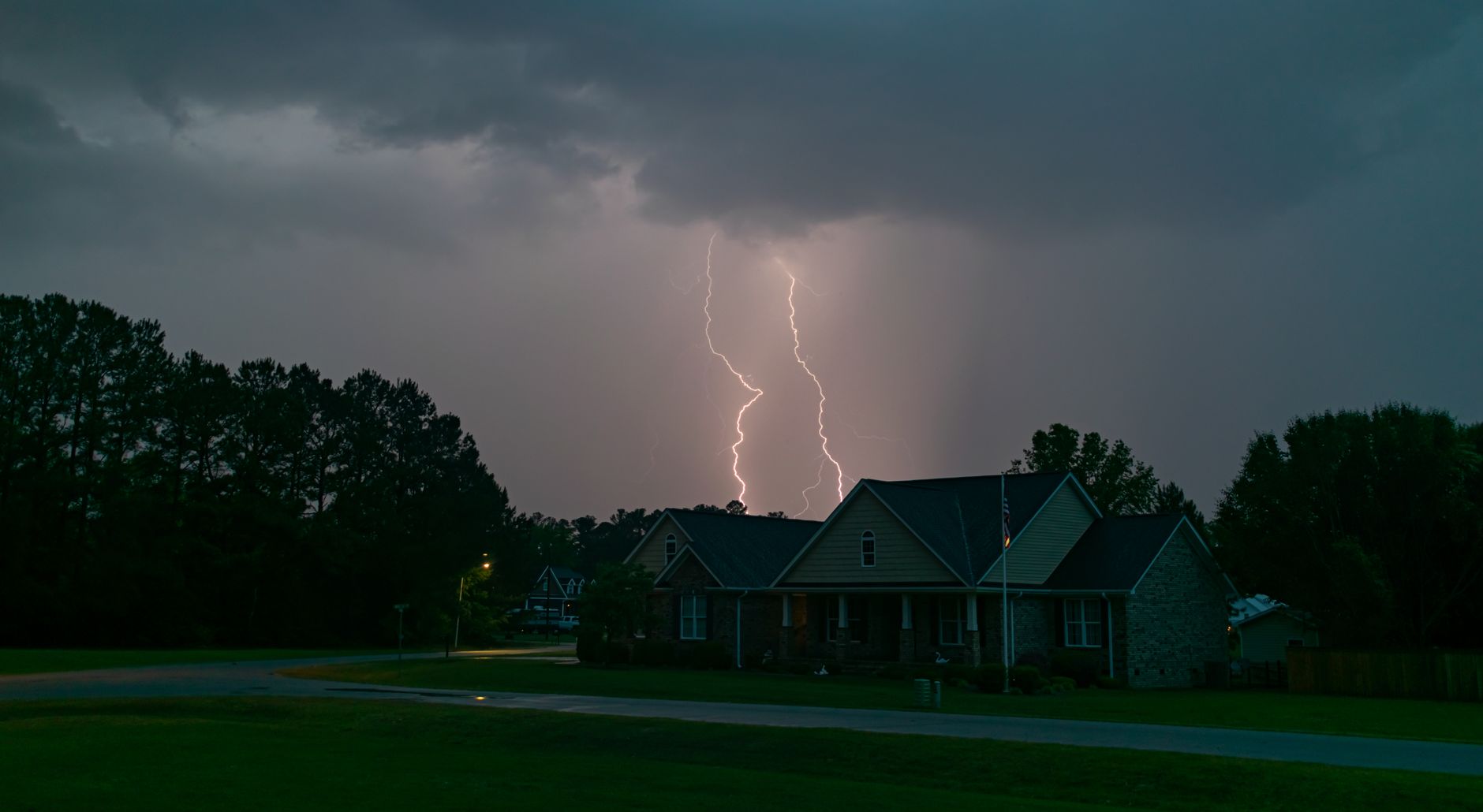
Summer brings thunderstorms, heavy rain, high winds, and sometimes even hail to Florida homes — and they can pose serious risks if your place isn’t ready. Central Florida’s summer storm season is no joke. These storms can flood streets, snap branches, and find their way into homes through the smallest gaps. Preparing your home now helps protect your family, your belongings, and your wallet from the expensive repairs that come after water damage or storm damage. By doing some straightforward maintenance and inspections before the heavy weather hits, you can spot weak spots, shore up vulnerable areas, and make sure water drains the way it should. This guide walks you through the key steps — roofs, gutters, windows, doors, landscaping, and emergency readiness — so you can face Florida’s summer storms with confidence.
Start with a Thorough Roof Inspection
Your roof is your home’s first line of defense against rain and wind, so start there. Get up and look at your shingles or tiles for cracks, missing pieces, or curling edges — any of those let water slip underneath during heavy downpours. Check the flashing around chimneys, vents, skylights, and any roof penetrations to make sure it’s sealed tight and isn’t rusted or coming loose. In Florida’s heat and humidity, flashing deteriorates faster than you’d think, so don’t skip this step. While you’re up there, inspect your gutters and downspouts too. Pull out leaves, dirt, pine needles, and debris that block water flow. Blocked gutters cause water to back up under your shingles, which leads to leaks, rot, and structural damage that gets expensive fast. If your gutters are more than a few years old and sagging, now’s the time to talk about replacing them before storm season kicks in.
Seal Up Windows and Doors
Water finds its way in through gaps around windows and doors faster than you’d expect. Check your weatherstripping, caulk, and window frames for cracks, gaps, or anything that’s coming apart. Properly sealed windows and doors stop water from getting inside, reduce drafts, and help keep your home comfortable when storms roll through. If you live in an area that gets heavy wind or hail, consider installing storm shutters or upgrading to impact-resistant windows — they’re a real investment in protection. The cost pays for itself the first time a big storm doesn’t damage your home. Even basic storm shutters are worth having on hand during peak season.
Trim Trees and Secure the Outdoors
Overhanging branches and dead limbs are disaster waiting to happen when wind picks up. Walk your property and trim back branches that hang over your roof or near windows. Remove any limbs that look dead, weak, or like they’re about to snap. While you’re outside, secure your patio furniture, grills, trash cans, and outdoor decorations — anything loose becomes a projectile in high wind. Make sure your yard slopes away from your house and your drainage areas direct water away from your foundation. Poor drainage is how basements flood and foundations crack. In Florida’s clay and sandy soil, water management is everything.
Check Your Foundation and Exterior
Walk around the outside of your home and look for cracks in the foundation, gaps in the siding, or areas where the exterior is pulling away. Seal any cracks you find — water will exploit them. Examine siding for loose panels, holes, peeling paint, or soft spots that suggest rot. Florida’s humidity means wood can deteriorate quickly if it’s not maintained. A solid, well-sealed exterior prevents moisture from getting in and causing structural problems that turn into big expenses.
Don’t Forget the Interior Systems
Interior preparation is just as important as what you do outside. Test your sump pump if you have one — run water into it to make sure it kicks on and pumps correctly. Check floor drains and your home’s interior drainage to confirm they’re working. If you have a basement or crawl space, look for signs of moisture, seepage, or past leaks and fix those issues now. Store important documents, electronics, and valuables above potential flood levels. A plastic storage tub on a high shelf is smart insurance. These interior steps protect your family and reduce damage when storms hit.
Prepare for the Worst
Emergency preparedness makes a real difference when a storm arrives. Put together an emergency kit with flashlights, extra batteries, a first-aid kit, bottled water, non-perishable food, and copies of important documents. Know where your safe room is — a bathroom or interior hallway away from windows is usually your best bet. Make sure everyone in your household knows where to go and what to do if a tornado warning comes through. Having a plan and supplies on hand keeps panic down and safety up when the weather turns ugly.
Consider a Professional Inspection
A licensed contractor can spot problems you might miss. A professional can evaluate your roof’s condition, check for hidden water damage, test your drainage systems, and assess your whole home’s ability to handle high wind and heavy rain. This kind of thorough evaluation is especially valuable if your home is older or if you’re not comfortable getting on the roof yourself. Combining your own maintenance with a professional inspection means your home gets the full picture of what needs attention before storm season begins.
Summer storms in Florida are a reality, and there’s no way around it. But a home that’s been properly inspected, sealed up, and maintained can handle what summer throws at it. You’ll sleep better knowing you’ve done the work, and you’ll be glad you did when the heavy weather passes and your place comes through clean.
Thomas Handyman Service is ready to help with any home repair or maintenance project. Call (352) 234-4248 or schedule service online at https://thomashandymanservice.com/contact/ — we show up on time, and we get it done right.