

Summer is the perfect time to tackle exterior painting in Florida, and for good reason. The warm, dry weather we get from June through September creates ideal conditions for paint to cure properly and adhere to surfaces the way it should. But if you’ve got a home in The Villages or anywhere across Central Florida, you know our summers come with humidity, intense sun, and afternoon thunderstorms—all things that make timing and technique critical. Regular maintenance and timely repainting protect your home’s exterior from moisture, sun damage, and the kind of wear that Florida weather dishes out, while also keeping your curb appeal sharp. By preparing surfaces carefully, choosing the right materials, and following proper techniques, you can achieve results that actually last and avoid the costly repairs that come from skipping prep work. This guide walks you through inspecting, prepping, painting, and maintaining your exterior surfaces during the summer months.
Start With a Thorough Inspection
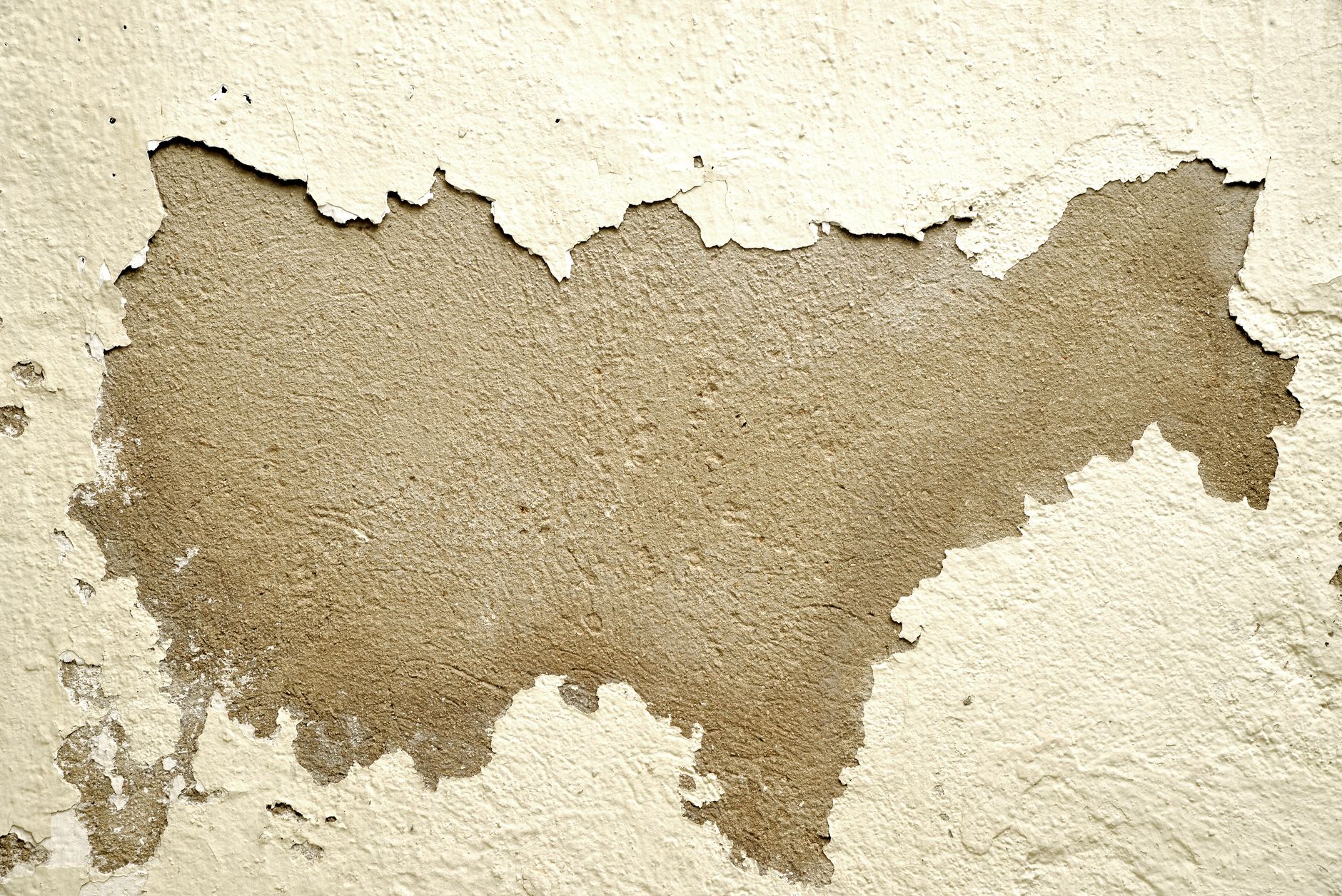
Before you even think about opening a paint can, walk around your home and really look at what you’re working with. Examine your siding, trim, fascia, shutters, and doors for peeling, cracking, or blistering paint. Check for wood rot, insect damage, or water intrusion—especially common in Florida homes where moisture is always trying to find a way in. Look closely at areas where gutters connect to the house, around windows, and where different materials meet, since those are usually where problems start. If you spot soft wood or areas where the paint is bubbling away from the surface, that means moisture has gotten underneath, and you’ll need to address that before painting over it.
Identifying surfaces that require scraping, sanding, or priming isn’t just busywork—it’s what separates a paint job that lasts five years from one that lasts fifteen. Thorough preparation ensures the new paint actually adheres correctly and prevents the premature peeling, flaking, or discoloration that makes a home look neglected. Take your time here. Addressing minor repairs and surface issues before painting maximizes both durability and how good your house looks when you’re done.
Prepare Surfaces the Right Way
This is where most DIYers rush, and it’s where most paint jobs fail. Remove loose or flaking paint with a scraper or sanding block, smoothing rough edges to create a uniform surface underneath. In Florida’s humidity, you’re likely dealing with mildew on north-facing surfaces and chalky, sun-damaged paint on south and west-facing areas. Clean all surfaces thoroughly with a mild detergent solution or, if you’re dealing with stubborn mildew or heavy buildup, a pressure washer set to a reasonable PSI so you don’t gouge the wood. Rinse everything completely and let it dry fully—and we mean fully. Moisture trapped under new paint is your enemy in this climate.
Proper cleaning ensures that the new paint bonds effectively, prevents streaking, and improves the overall finish quality. Don’t skip this step, and don’t paint over dirty surfaces no matter how tempting it is to move faster. The extra day of drying time is worth years of better-looking paint.
Choose the Right Primer and Paint
Priming is essential for most exterior surfaces, especially in Florida where sun exposure and humidity are constant factors. Wood, metal, and previously stained surfaces almost always need a high-quality primer to enhance paint adhesion, block stains from bleeding through, and protect against moisture. Choose a primer that’s compatible with your selected paint type—ask about this when you’re buying, since mixing systems incorrectly wastes money and creates adhesion problems.
When selecting paint, consider the type and finish appropriate for your exterior material. Acrylic latex paints are the standard for siding and trim in Florida homes because they handle our heat and humidity better than oil-based options. Use high-quality paints with UV resistance specifically designed to prevent fading from our intense sun. Choose a finish based on the surface: satin or semi-gloss for trim catches light nicely and resists dirt better, while flat or low-luster works for siding without showing every dust particle. Don’t cheap out on paint quality—Florida’s sun will expose every shortcut you take.
Application Technique Matters More Than You Think
Use brushes for detailed areas and trim work, rollers for large flat surfaces, and sprayers for even coverage on textured siding. Apply paint in thin, even coats, allowing proper drying time between coats as the manufacturer recommends. Here’s something specific to Florida summers: avoid painting during the hottest part of the day, typically 1 p.m. to 4 p.m. When it’s 95 degrees and the sun is beating down on your south-facing wall, paint dries too fast and you’ll end up with blistering, streaking, or an uneven finish. Start early in the morning or wait until late afternoon. Work in sections and maintain a wet edge to prevent lap marks and inconsistencies that stand out like a sore thumb once the paint fully cures.
Trim and Accents Get the Details They Deserve
Paint shutters, doors, fascia, and window frames with precision, ensuring even coverage and clean lines. Use painter’s tape where necessary to protect adjacent surfaces and create crisp edges. Take your time here—trim is what people notice first, and sloppy edges make an otherwise good paint job look amateur. Proper attention to trim enhances overall curb appeal and provides that polished, professional look that says you care about your home.
Maintenance Keeps Your Paint Looking Fresh
Clean up and maintenance are what most people forget about. Remove painter’s tape carefully before paint fully dries to prevent peeling. Clean brushes, rollers, and sprayers promptly to preserve your tools for future projects. Inspect painted surfaces periodically throughout the summer for signs of wear or damage—a quick walk-around every month or two catches small problems before they become big ones. Touch up areas as needed to maintain a fresh, uniform appearance, because one peeling spot left alone becomes three spots by next summer.
Exterior painting in Florida is absolutely worth doing right, and summer is the window to do it. When you take time to inspect, prepare properly, choose quality materials, apply correctly, and stay on top of maintenance, you end up with protection and curb appeal that actually lasts. Your home’s exterior takes a beating in this climate, and keeping it painted and maintained is one of the smartest investments you can make.
Thomas Handyman Service is ready to help with any home repair or maintenance project. Call (352) 234-4248 or schedule service online at https://thomashandymanservice.com/contact/ — we show up on time, and we get it done right.