

Spring in Florida brings its own unique challenges for homeowners. While we don’t face frozen pipes or heavy snow like northern states, our mild winters can mask serious problems—and spring’s heat and humidity are quick to reveal what winter left behind. Heavy rains, salt air if you’re near the coast, intense sun, and that notorious Florida moisture create damage that sneaks up on you if you’re not looking. A thorough spring home inspection now means catching small issues before they become expensive headaches during the scorching summer ahead.
Roof and Attic: Your First Line of Defense
Your roof takes a beating in Florida, even in a mild winter. Wind-driven rains, UV exposure, and the constant humidity can loosen shingles, crack flashing, and create entry points for water that you won’t notice until it’s already inside. Start by walking around the exterior and looking up—scan for curling, cracked, or missing shingles, and check that flashing around chimneys, vents, and skylights is sealed tight and not pulling away. If you’re comfortable getting into the attic, look for signs of water intrusion: damp or darkened insulation, discoloration on rafters or decking, or any hint of mold. Florida’s humidity means mold can take hold fast, so don’t ignore even small spots. Catching roof leaks early prevents interior water damage, protects your insulation and structural framing, and saves you thousands down the line. If climbing on the roof isn’t your thing—and honestly, it’s dangerous work—call in a professional to handle the inspection and any repairs.
Exterior Walls, Foundation, and Drainage
Florida homes sit on different foundations depending on the region—concrete slab, pier and beam, or block—but all of them need attention. Walk the perimeter and inspect siding for cracks, warping, peeling paint, or gaps where moisture can sneak in. Check your foundation for hairline cracks, signs of settling, or spots where water seems to pool or seep. Look especially carefully if you have a concrete slab foundation; small cracks can widen quickly in our heat. Your gutters and downspouts are critical in Florida’s rainy season. Clean them out thoroughly of leaves, dirt, and debris, then make sure water is directed at least three to four feet away from the house. Poor drainage is one of the biggest culprits behind foundation problems, basement or crawl space flooding, and soil erosion. In The Villages and Central Florida, where the water table is high and heavy afternoon thunderstorms are routine, proper drainage isn’t optional—it’s essential. Fix these issues now, before the summer rain season hits hard.
Plumbing and Water Systems
Inspect all visible plumbing under sinks, around toilets, and near water-using appliances like dishwashers, washing machines, and water heaters. Look for leaks, corrosion, mineral deposits, or loose connections—even a slow drip adds up on your water bill and can promote mold growth in cabinets and walls. Florida’s hard water and salt air accelerate corrosion, so pay special attention to older pipes and connections. Don’t forget outdoor faucets, irrigation systems, and garden hose connections—these take a real beating from sun and temperature swings. If you have a pool or spa, check their plumbing and equipment now before the summer heat puts them into heavy use. Addressing these issues early prevents water damage, keeps your utility bills reasonable, and protects your home’s structure.
HVAC System Ready for Summer Heat
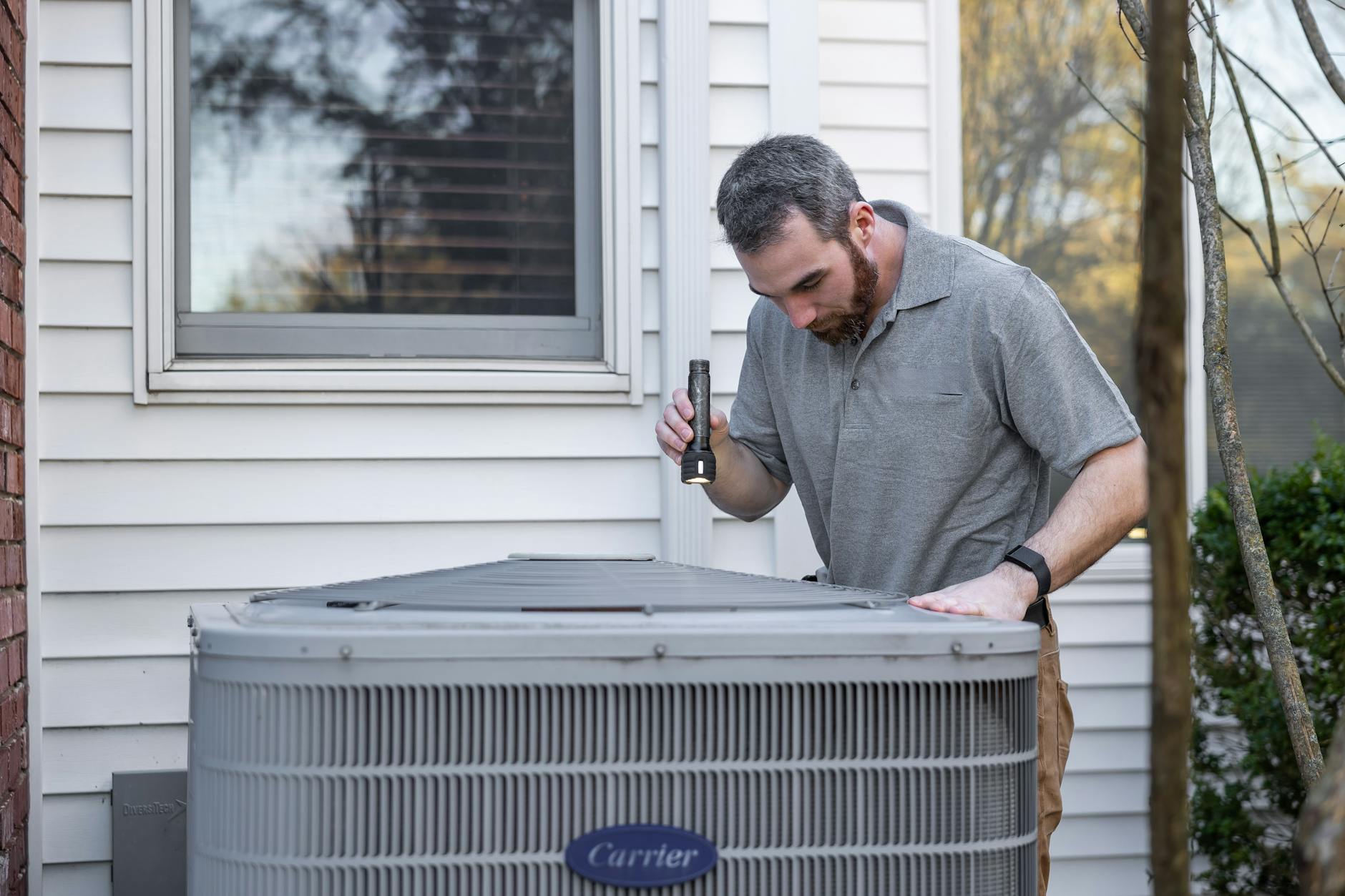
Florida summers demand a healthy air conditioning system. Replace your air filter and clean vents and return grilles so air flows freely. Check your outdoor condenser unit for debris, leaves, or dirt buildup—clean it carefully if needed. Inspect refrigerant lines for damage and make sure connections are tight. If you haven’t had professional servicing this year, spring is the time to call someone in. A well-maintained HVAC system keeps you comfortable when the heat cranks up, runs more efficiently (which saves money), and is far less likely to break down in the middle of a 95-degree day. Regular maintenance also extends the life of expensive equipment.
Windows, Doors, and Weatherproofing
Florida’s intense sun and moisture are tough on windows and doors. Inspect seals and weatherstripping around all exterior openings—look for gaps, cracks, or deterioration. Resealing or replacing weatherstripping isn’t expensive and makes a real difference in keeping conditioned air in and hot, humid air out. Check window frames and door frames for soft spots, rot, or separation from the house, especially in older homes. Properly sealed and maintained windows and doors also keep out water during heavy rains, reduce your cooling costs, and improve security.
Decks, Patios, and Outdoor Spaces
Spring is when you start spending time outside again, so make sure your outdoor living areas are safe. Inspect decks and porches for loose boards, rusted fasteners, soft spots from rot or water damage, and unstable railings. Check fences for leaning posts, loose sections, or boards that have split or warped. Walk around landscaping and look for branches hanging over the roof or siding—these can cause damage in high winds or drop debris that clogs gutters. Trim back overgrown vegetation, remove winter debris, and address any hazards before you’re relaxing out there on a warm evening.
A good spring home inspection is an investment in peace of mind. You’re not just fixing what’s broken—you’re staying ahead of Florida’s heat, humidity, and weather patterns so they don’t catch you off guard. When you catch small problems early, you avoid the big, expensive repairs that put a damper on your year. Take the time to walk your property thoroughly, take notes, and tackle issues as you find them. Your home will thank you for it.
Thomas Handyman Service is ready to help with any home repair or maintenance project. Call (352) 234-4248 or schedule service online at https://thomashandymanservice.com/contact/ — we show up on time, and we get it done right.