
Plumbing issues are one of the most common problems Florida homeowners face, and neglecting regular maintenance can lead to costly repairs and significant inconvenience — especially in our humid climate where pipes corrode faster and water damage spreads quicker. From leaks to clogged drains, minor problems can escalate into major emergencies if not addressed early. By performing routine inspections, maintaining your system, and understanding common warning signs, homeowners can prevent damage and ensure the longevity of their plumbing. This guide provides essential plumbing maintenance tips to help keep your home running smoothly and safely.
Inspect Your Pipes Regularly
The first step is to inspect all visible pipes for leaks, corrosion, or damage. Check under sinks, around toilets, and near water-using appliances such as dishwashers, washing machines, and water heaters. Even small leaks can waste water, increase utility bills, and damage cabinetry or flooring over time. In Florida’s humid environment, water damage happens faster than you’d think — what looks like a minor drip under the sink can lead to mold and structural issues within weeks if left unchecked. Address minor issues immediately by tightening connections, replacing washers, or consulting a professional plumber if needed. Regular inspections can prevent small problems from turning into expensive repairs. Make it a habit to check these areas every few months, and don’t ignore signs of water staining or soft spots in wood cabinets.
Keep Drains Clear and Flowing
Next, monitor your drains and prevent clogs. Avoid pouring grease, coffee grounds, or food scraps down the kitchen sink, and use drain strainers to catch hair and debris in bathroom drains. Periodically clean drains with safe, non-corrosive solutions or a combination of baking soda and vinegar, followed by hot water. This helps maintain flow, prevents odors, and reduces the risk of backups that could flood your home. Florida homes often sit on sandy or clay soil that doesn’t drain well during our heavy summer rains, which means a clogged indoor drain can create real problems fast. If you notice water draining slowly or hear gurgling sounds from your pipes, don’t wait — slow drains often signal bigger issues developing deeper in your system.
Maintain Your Water Heater
Water heater maintenance is another critical area that many homeowners skip until something breaks. Flush your water heater at least once a year to remove sediment buildup, which can reduce efficiency and shorten its lifespan. Check the pressure relief valve and ensure the unit is functioning correctly. Maintaining your water heater prevents unexpected breakdowns and ensures consistent hot water supply for your household. Florida’s hard water can build up mineral deposits faster than in other regions, so flushing annually isn’t optional — it’s necessary to keep your unit running efficiently. If your water heater is more than ten years old, consider having a professional inspect it before a failure leaves you without hot water in the middle of summer.
Don’t Forget Outdoor and Seasonal Plumbing
Outdoor plumbing also requires attention, especially in Central Florida where we get surprise cold snaps that can catch homeowners off guard. Inspect garden hoses, irrigation systems, and exterior faucets for leaks, cracks, or damage, especially before winter or storm seasons. Turn off outdoor water sources during freezing temperatures to prevent pipe bursts — this simple step can save you thousands in emergency repairs. Even though we rarely get hard freezes in The Villages, we get cold enough to damage exposed pipes and outdoor lines. Proper care of outdoor plumbing protects your property from water damage and reduces the risk of costly repairs. Check that your hose bibs and outdoor shut-off valves are working properly at the start of each season.
Check Your Toilets and Water Pressure
Toilet maintenance is often overlooked but important. Ensure toilets flush properly, check for leaks at the base or inside the tank, and replace worn flappers when necessary. Even small leaks can waste gallons of water daily — sometimes silently, so you won’t know your money is literally running away. Regularly testing and adjusting your toilet helps conserve water and prevents damage to flooring or subflooring. Another essential step is maintaining adequate water pressure. Low pressure may indicate a clog, leak, or failing pressure regulator, while excessively high pressure can strain pipes and fixtures and lead to premature failure. Test your water pressure with a gauge and adjust the pressure regulator if needed. Proper water pressure extends the lifespan of your plumbing system and improves performance.
Know Your Main Water Shut-Off
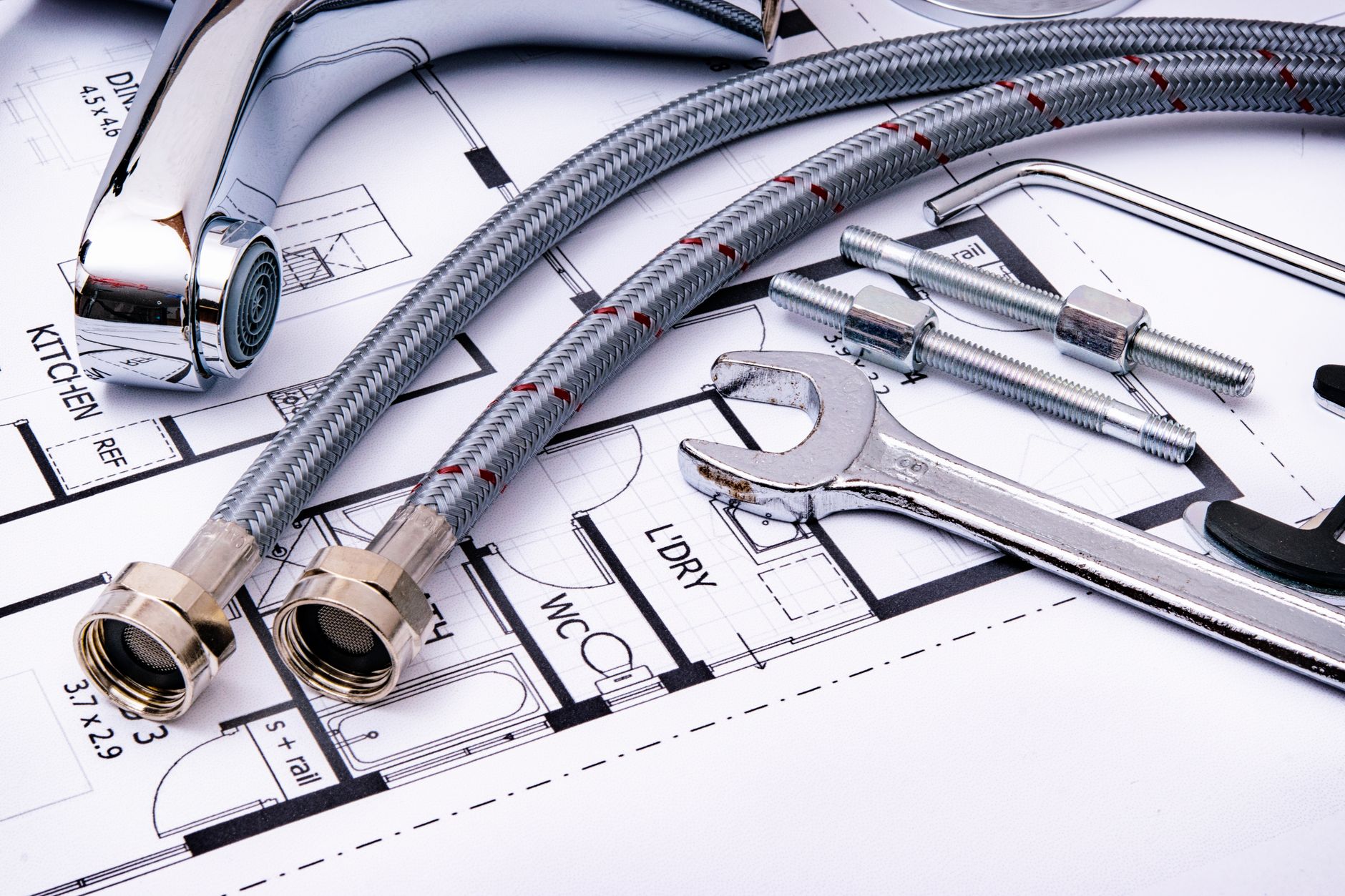
Finally, be prepared for emergencies. Know how to shut off your main water supply quickly — locate it now before you need it in a panic — and keep basic plumbing tools and replacement parts on hand for minor repairs. Having a plan in place allows you to respond effectively to unexpected issues, reducing potential damage and repair costs. If you’re not sure where your shut-off valve is or how to use it, that’s worth a quick phone call to a professional who can show you. In an emergency, those first few minutes matter.
Routine plumbing maintenance protects your home, conserves water, and prevents costly repairs that can really set you back. By inspecting pipes, cleaning drains, maintaining water heaters, checking toilets, and monitoring water pressure, homeowners can keep their plumbing system in excellent condition. It’s one of those things that pays for itself the first time it prevents a major problem, and it keeps your home running the way it should.
Thomas Handyman Service is ready to help with any home repair or maintenance project. Call (352) 234-4248 or schedule service online at https://thomashandymanservice.com/contact/ — we show up on time, and we get it done right.