

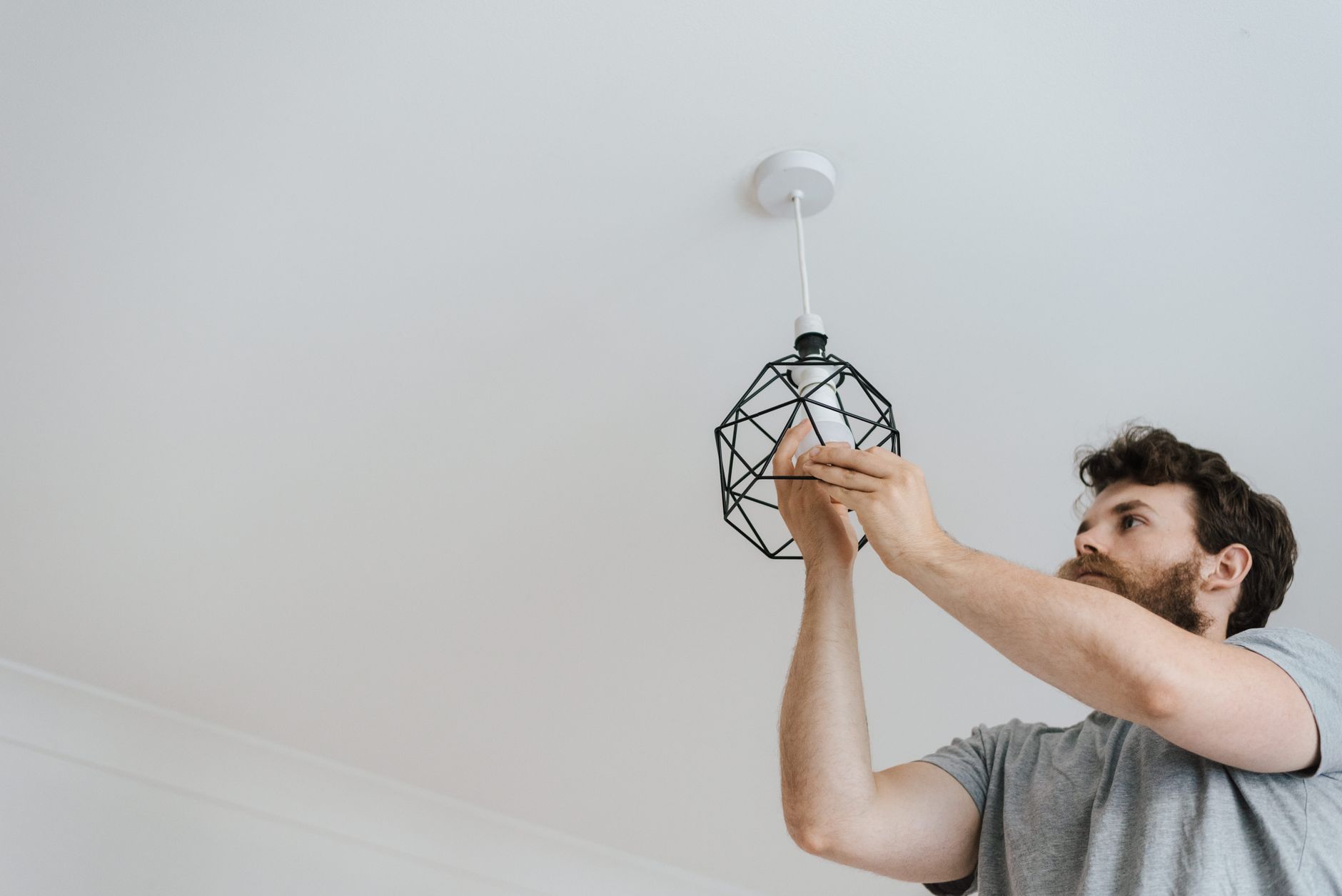
Proper outdoor lighting is essential for safety, security, and creating an inviting atmosphere around your home. Here in Florida, summer evenings extend well into the night, and our warm weather means you’ll spend plenty of time outside — making well-planned outdoor lighting critical for both functionality and aesthetics. By installing, inspecting, and maintaining outdoor lights, homeowners can improve visibility, reduce accidents, enhance curb appeal, and deter unwanted activity. This guide provides detailed instructions for planning, installing, maintaining, and troubleshooting outdoor lighting systems, including landscape, pathway, porch, and security lighting.
Assess Your Property and Lighting Needs
Start with a thorough assessment of your property and lighting needs. Walk around your yard, patio, driveway, and pathways in the evening to identify dark areas and potential hazards. Note locations where safety lighting is essential, such as steps, walkways, and entrances. In Florida, this means paying special attention to areas where vegetation grows quickly or where moisture from our frequent rain and humidity can create shadows and sight lines that change with the seasons.
Determine areas where accent or decorative lighting will enhance aesthetics, such as landscaping, trees, or architectural features. Think about how you want your home to look at night — is it inviting and welcoming, or secure and bright? A clear plan ensures adequate coverage, avoids over-lighting, and maximizes energy efficiency. Don’t forget about bugs: Florida’s mosquitoes and other insects are attracted to lights, so think about placement carefully and consider bug-resistant yellow or amber bulbs in seating areas.
Choose the Right Lighting Types and Fixtures
Landscape lights are ideal for illuminating gardens and pathways, while wall-mounted or post-mounted lights work well for porches and entrances. Consider LED bulbs for energy efficiency, long lifespan, and reduced maintenance. In Florida’s heat and humidity, LEDs outperform traditional incandescent bulbs significantly — they run cooler, last longer in our salty air (especially closer to the coast), and won’t fade as quickly under our intense sun.
Solar-powered lights are an excellent option for areas without access to electrical outlets, providing eco-friendly illumination without additional wiring. Just keep in mind that Florida’s afternoon thunderstorms and occasional cloudy stretches mean solar lights may need supplemental wiring or backup power during rainy seasons. Make sure any solar fixtures you choose are rated for our humidity and potential salt spray if you’re near coastal areas. Selecting the right fixtures ensures functionality, durability, and consistent performance.
Proper Installation Keeps You Safe
Proper installation is critical for safety and reliability. For wired lighting, follow manufacturer instructions carefully and adhere to local electrical codes — this isn’t an area to cut corners. Ensure all connections are secure, waterproofed, and protected from environmental exposure. Florida’s moisture, salt air, and afternoon thunderstorms can corrode wiring and connections quickly if they’re not properly sealed and protected.
For low-voltage systems, use a transformer to control multiple lights and maintain safe operating conditions. If installing solar lights, place them where they receive adequate sunlight during the day to maximize performance. For hard-wired outdoor lights, consider running conduit underground or along the house to protect wiring from weather damage, lawn equipment, and moisture. Correct installation reduces the risk of electrical hazards and ensures long-lasting operation. If you’re not comfortable working with electrical systems, this is exactly the kind of job where professional help pays for itself.
Inspection and Maintenance Keep Everything Running
Once installed, perform a detailed inspection. Check bulbs, fixtures, wiring, and timers for damage, corrosion, or wear. Florida’s humidity and salty air can corrode metal fixtures and connections surprisingly fast, especially in coastal areas or if fixtures aren’t rated for marine environments. Replace burned-out bulbs promptly to maintain consistent illumination. Clean fixtures to remove dust, dirt, and debris, which can reduce light output and effectiveness. In Florida’s climate, you may need to clean more frequently if you’re near construction sites or have sandy soil.
Ensure timers and motion sensors are functioning correctly to optimize energy efficiency and security. Motion sensors are particularly useful here — they deter wildlife as well as unwanted visitors and save energy during the quiet hours of summer nights. Regular inspection and maintenance prevent outages, hazards, and unnecessary energy consumption. Plan for at least a spring check-up and a fall tune-up before hurricane season.
Maintain Your Landscaping to Support Lighting
Maintain landscaping and surrounding areas to support lighting performance. Trim overgrown shrubs, trees, and plants that may block light or cast unwanted shadows. In Florida, vegetation grows quickly during the warm months, so what looks perfectly positioned in June may be blocked by new growth by August. Keep pathways and driveways clear of debris to ensure light reaches intended areas. For decorative lighting, adjust positioning or angles to highlight focal points and maintain an aesthetically pleasing appearance. Proper landscaping maintenance enhances the impact and functionality of your lighting system.
Energy Management and Smart Controls
Energy management and efficiency are important considerations, especially here in Florida where air conditioning already pushes utility bills higher. Use timers, motion sensors, or smart controls to automate lighting and reduce electricity costs. Group lights into zones to control different areas independently. Opt for LED or solar lighting options to reduce energy consumption while providing sufficient illumination. Efficient lighting practices save money and reduce environmental impact.
When to Call in a Professional
Schedule professional inspections when necessary. Licensed electricians or handyman services can evaluate wiring, troubleshoot issues, and perform repairs that may be unsafe for homeowners. Professional assistance ensures compliance with electrical codes, safe installation, and optimal performance. Combining homeowner maintenance with professional support guarantees a reliable, safe, and visually appealing outdoor lighting system.
Well-planned and maintained outdoor lighting enhances safety, security, and beauty for your home during Florida’s long summer evenings. By assessing lighting needs, selecting appropriate fixtures, installing correctly, performing regular inspections, maintaining landscaping, and managing energy use, homeowners can enjoy effective illumination while preserving energy efficiency. A little attention now means safer pathways, better security, and a home that looks great when the sun goes down.
Thomas Handyman Service is ready to help with any home repair or maintenance project. Call (352) 234-4248 or schedule service online at https://thomashandymanservice.com/contact/ — we show up on time, and we get it done right.