

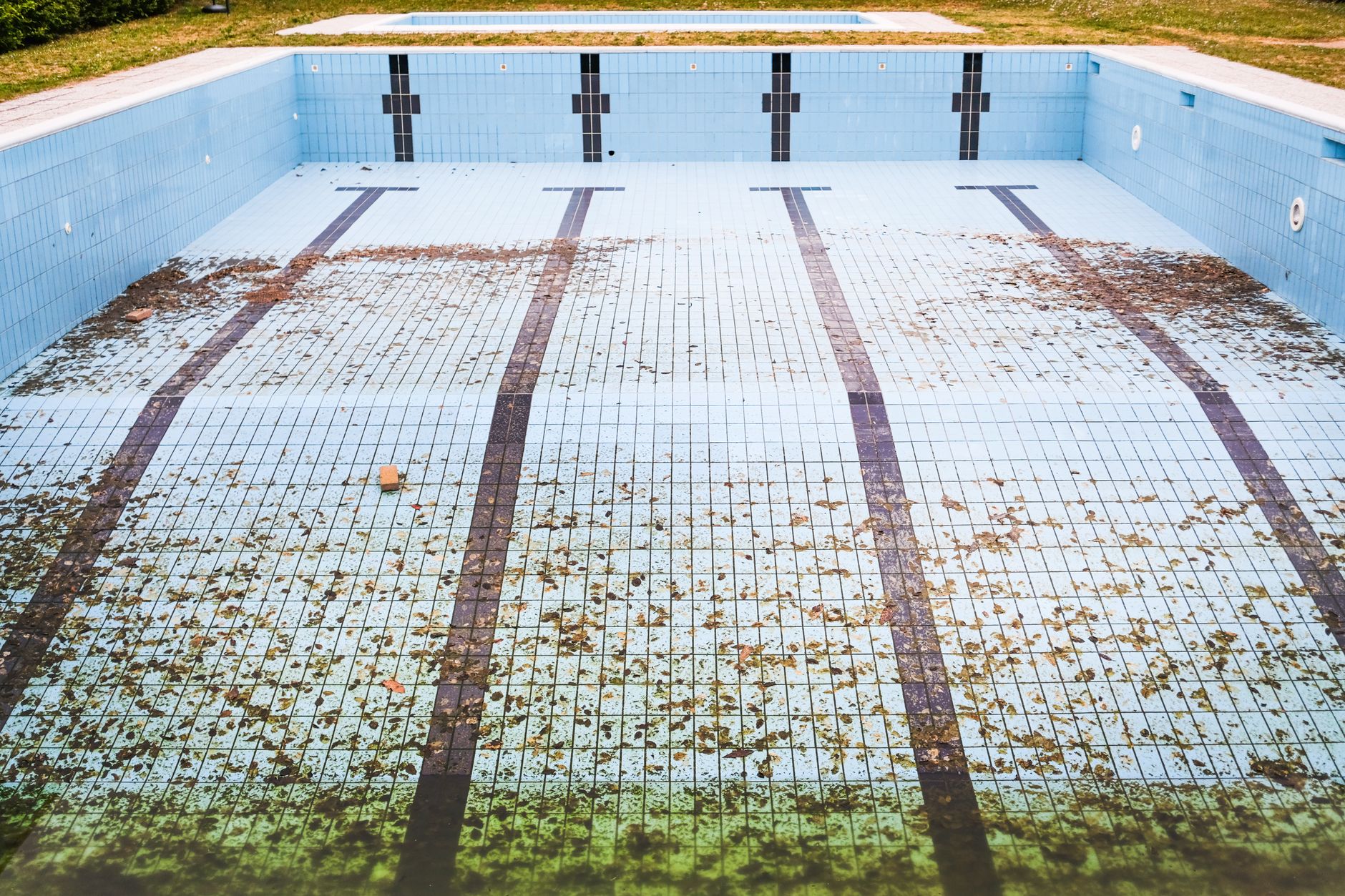
Swimming pools are a central feature of summer fun in Florida, but they require regular maintenance and careful attention to safety to ensure they remain clean, safe, and operational. Our Central Florida heat and humidity create unique challenges for pool owners — algae grows faster, chemicals dissipate quicker, and equipment works harder than it does up north. Proper pool care prevents equipment damage, reduces chemical imbalances, avoids algae growth, and safeguards swimmers from accidents. This guide provides homeowners with detailed instructions on inspecting pool equipment, maintaining water chemistry, cleaning surfaces, implementing safety measures, and preparing for high summer usage.
Start with a Comprehensive Pool Inspection
Begin by inspecting the pool and surrounding area thoroughly. Check the pool’s structure, including walls, floors, tiles, and coping, for cracks, chips, or signs of wear. In Florida, where ground settling and shifting happens regularly, even small cracks can expand quickly. Examine ladders, handrails, diving boards, and pool covers to ensure they are secure and in good condition. Inspect pool pumps, filters, heaters, and plumbing connections for leaks, corrosion, or operational issues. Pay special attention to metal fittings and equipment — Florida’s humidity accelerates rust and corrosion, so catching problems early saves money and headaches. Identifying problems early helps prevent more costly repairs and maintains a safe swimming environment.
Maintain Perfect Water Chemistry
This is where most pool owners stumble, and it’s critical in Florida’s subtropical climate. Test the water using reliable pool test kits at least twice a week during heavy summer use — once a week minimum is the bare minimum. Check pH, chlorine, alkalinity, and calcium hardness. Our warm water temperature means chlorine evaporates faster and algae spores thrive, so staying on top of chemistry isn’t optional. Maintaining proper chemical balance prevents algae growth, protects pool surfaces, and ensures water is safe for swimmers. Adjust chemicals according to manufacturer instructions and your local water conditions. Run the filtration system daily to circulate water, remove debris, and maintain clarity. Backwash or clean filters regularly to optimize efficiency and prevent strain on the pump. During peak summer, you may need to run your system longer than you’d think — 8 to 12 hours daily is common in The Villages area.
Routine Cleaning Prevents Big Problems
Routine cleaning is essential for maintaining a pristine pool, and in Florida it’s almost a daily job during summer. Skim the surface every single day to remove leaves, insects, and debris. Living in an area surrounded by trees and wildlife means your pool is a magnet for nature — this isn’t laziness, it’s necessary maintenance. Brush walls, floors, and steps weekly to prevent algae buildup, which grows aggressively in our warm water. Vacuum the pool using manual or automatic systems to remove dirt and sediment from the bottom. For saltwater or chlorinated pools, check salt levels or chlorine generators to ensure proper disinfection. Regular cleaning maintains water quality, prevents damage, and enhances the overall swimming experience. Many pool owners find that establishing a daily 15-minute routine saves them from weekend crisis management.
Safety Measures Are Non-Negotiable
Safety measures are critical for summer pool use, especially with families and grandchildren visiting. Install and maintain fencing, gates, and locks to prevent unauthorized access, especially by children. Florida law requires specific pool fencing standards, and enforcing them protects your family and your liability. Keep safety equipment, such as life rings, reaching poles, and first-aid kits, easily accessible near the pool entrance. Ensure proper lighting around the pool area for evening swimming — many accidents happen at dusk when visibility is poor. Educate family members on pool rules, such as no running, diving only in designated areas, and supervision requirements. If you have young children or grandchildren visiting, talk to them about water safety before they get in. Implementing safety precautions reduces the risk of accidents and injuries and gives you peace of mind.
Don’t Neglect the Surrounding Area
The area around your pool matters more than many homeowners realize. Trim trees and bushes near the pool to reduce debris and prevent clogging filters — this is especially important in The Villages where mature trees overhang many properties. Ensure deck and patio surfaces are free of hazards and maintain non-slip coatings where necessary. Florida’s humidity can make pool decks slippery fast, so check your grip surfaces regularly. Check drainage around the pool to prevent standing water, which can attract insects, breed mosquitoes, or cause erosion and foundation issues. Maintaining the surrounding area improves safety and enhances aesthetic appeal.
Equipment Maintenance Keeps Your System Running
Equipment maintenance is another key aspect that gets overlooked until something breaks. Lubricate moving parts, check timers, inspect hoses, and ensure pumps operate efficiently. Schedule professional servicing of heaters, saltwater generators, or automatic systems as needed — annual maintenance is worth the cost when you avoid a $2,000 emergency repair in July. Proper equipment care extends lifespan, ensures efficient operation, and prevents unexpected failures during peak summer usage. Your pump and filter are working harder in Florida heat than they would anywhere else, so don’t skip maintenance.
Create and Follow a Seasonal Schedule
Establish a seasonal maintenance schedule you can actually stick to. Keep a log of water tests, chemical adjustments, filter cleanings, and inspections. Regularly review and update safety procedures, especially with increased pool usage during summer. Staying consistent with maintenance routines prevents issues from accumulating and keeps the pool safe, clean, and enjoyable all season long.
Summer pool maintenance and safety aren’t just about keeping the water blue — they’re about protecting your investment and making sure your family stays safe while having fun. Pool problems have a way of sneaking up on you, especially when you’re busy enjoying summer. The good news is that a solid routine prevents almost all of them. If you need help with pool inspections, repairs, or surrounding maintenance work around your pool area, we’re here to help.
Thomas Handyman Service is ready to help with any home repair or maintenance project. Call (352) 234-4248 or schedule service online at https://thomashandymanservice.com/contact/ — we show up on time, and we get it done right.