

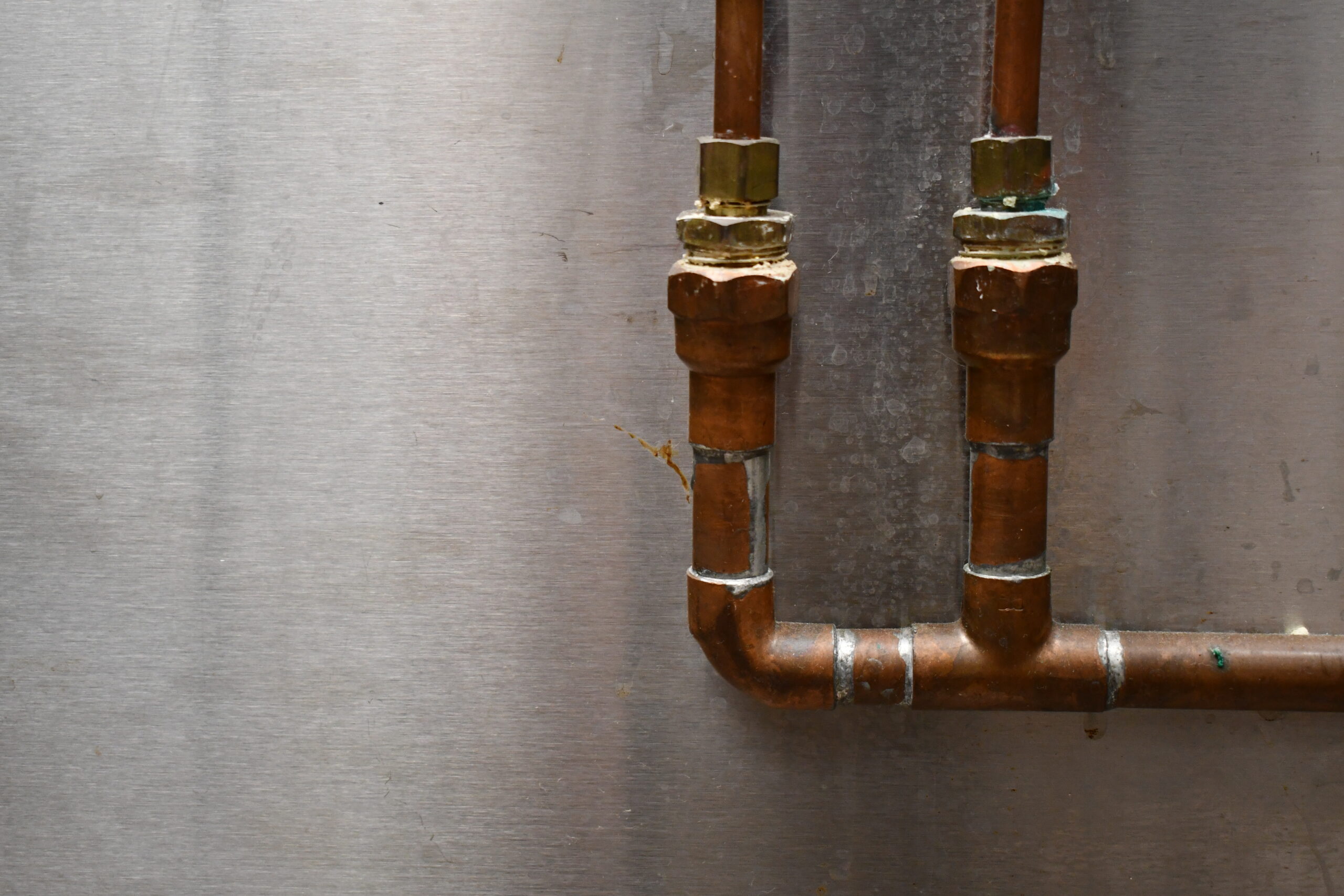
Winter weather can be harsh on home plumbing, causing frozen pipes, leaks, and costly water damage if systems are not properly maintained. Preparing plumbing for cold temperatures, monitoring water flow, and taking preventive steps can safeguard your home, improve system efficiency, and provide peace of mind throughout winter. This guide provides detailed steps for winter plumbing maintenance and leak prevention.
Start with a thorough inspection of exposed pipes. Check basements, crawl spaces, attics, and garages for cracks, leaks, or signs of corrosion. Identify areas prone to cold exposure and ensure they are properly insulated. Early detection of potential issues prevents pipe bursts and water damage during freezing conditions.
Insulate vulnerable pipes. Apply foam insulation, heat tape, or pipe sleeves to areas at risk of freezing. Ensure complete coverage and secure insulation according to manufacturer instructions. Proper insulation maintains pipe temperature, reduces the risk of freezing, and protects plumbing infrastructure.
Drain and winterize outdoor plumbing. Disconnect hoses, drain irrigation systems, and close exterior valves. Store hoses and outdoor equipment in a protected area. Proper winterization of outdoor systems prevents cracking, bursting, and damage caused by freezing water.
Check faucets and valves. Inspect for leaks, wear, or malfunctioning components. Replace worn washers, repair leaks, and consider installing frost-proof valves for outdoor faucets. Functional faucets and valves maintain water flow and prevent damage during cold weather.
Maintain indoor temperature above freezing. Keep all areas of the home heated, particularly spaces with exposed pipes. Avoid turning off heat in unoccupied rooms that contain plumbing. Proper temperature control prevents freezing and protects pipe integrity.
Inspect water heaters. Check tanks, connections, and pressure relief valves for leaks or corrosion. Flush the system if necessary to remove sediment buildup. Efficient water heater operation reduces energy costs and prevents unexpected failures during winter.
Monitor for leaks and moisture. Inspect ceilings, walls, and floors for signs of water intrusion or condensation. Promptly address leaks or dripping faucets to prevent water damage. Early identification and repair of leaks reduce structural damage and maintenance costs.
Consider installing pipe heating devices in vulnerable areas. Heat cables or pipe heaters provide consistent warmth for critical piping in cold zones. Follow manufacturer instructions for safe installation and operation. Properly installed heating devices protect plumbing systems and prevent costly damage.
Maintain a routine maintenance schedule. Schedule annual inspections, insulation updates, and preventive measures before the onset of winter. Keep records of completed maintenance tasks and note areas requiring professional attention. Consistent upkeep ensures system reliability and protects your home.
In conclusion, winter plumbing maintenance and leak prevention are crucial for protecting your home, reducing repair costs, and maintaining reliable water access during cold months. By inspecting pipes, insulating vulnerable areas, winterizing outdoor systems, monitoring leaks, and implementing preventive measures, homeowners can safeguard their plumbing systems and enjoy peace of mind. Thomas Handyman Service provides professional plumbing inspections, winterization, and maintenance services to keep your home safe and efficient. Call 352-234-4248 or schedule service online at https://thomashandymanservice.com/contact/ to winterize your plumbing and prevent damage today.