

Spring is the ideal time to revitalize your lawn after the dormant winter months, especially here in Central Florida where the warm season sneaks up fast. A healthy, green yard not only enhances curb appeal but also provides a safe, comfortable space for outdoor activities — whether that’s grandkids running around or just enjoying your morning coffee on the patio. Proper lawn care requires a combination of soil preparation, fertilization, mowing, watering, and pest management. By implementing a strategic approach, homeowners can ensure that their lawns grow strong, resist disease, and remain vibrant throughout the season. This guide provides practical spring lawn care tips to help you achieve a healthy, attractive yard.
Start by Evaluating Your Lawn’s Condition
Walk across your yard and inspect for bare spots, uneven areas, or signs of disease or insect damage. Take note of areas where grass appears thin, brown, or patchy — these problem zones often show up after winter thaw and heavy rains. Testing soil pH and nutrient levels is also recommended, as soil deficiencies can inhibit growth and promote weed infestations. A soil test kit or professional analysis will help determine if lime, fertilizer, or other soil amendments are needed to create optimal growing conditions. Florida’s naturally acidic soils can sometimes benefit from lime applications, so knowing your soil composition is the smart place to start.
Clean and Prep Your Lawn for Growth
Remove leaves, sticks, and debris that have accumulated over the winter. Use a rake or a dethatching tool to remove dead grass and organic matter, which can block sunlight and prevent new growth. Aerating the soil is highly beneficial, as it allows water, air, and nutrients to penetrate deeper, encouraging stronger root development. This is especially important in Florida where our sandy or clay-heavy soils can compact easily, particularly if you’ve had a lot of foot traffic or equipment on the lawn during winter months. Proper soil preparation sets the stage for a lush, resilient lawn and prevents common problems such as compaction and poor drainage.
Get Your Fertilization Strategy Right
Fertilization is a critical component of spring lawn care, and timing matters. Choose a slow-release fertilizer that provides essential nutrients like nitrogen, phosphorus, and potassium — the NPK blend your grass actually needs. Follow manufacturer instructions carefully to avoid over-fertilizing, which can damage grass and pollute nearby waterways. In Florida, where we’re close to sensitive water systems, responsible fertilization is not just good for your lawn, it’s good for the community. Applying fertilizer in the early spring promotes vigorous growth, enhances color, and strengthens the grass’s ability to withstand heat and drought. Additionally, targeted feeding for problem areas can correct nutrient deficiencies and encourage uniform growth across your yard. Consider splitting your spring feeding into two applications — one early in March or April, and another six to eight weeks later — to provide sustained nutrition without overwhelming the soil.
Mow Smart and Keep Those Blades Sharp
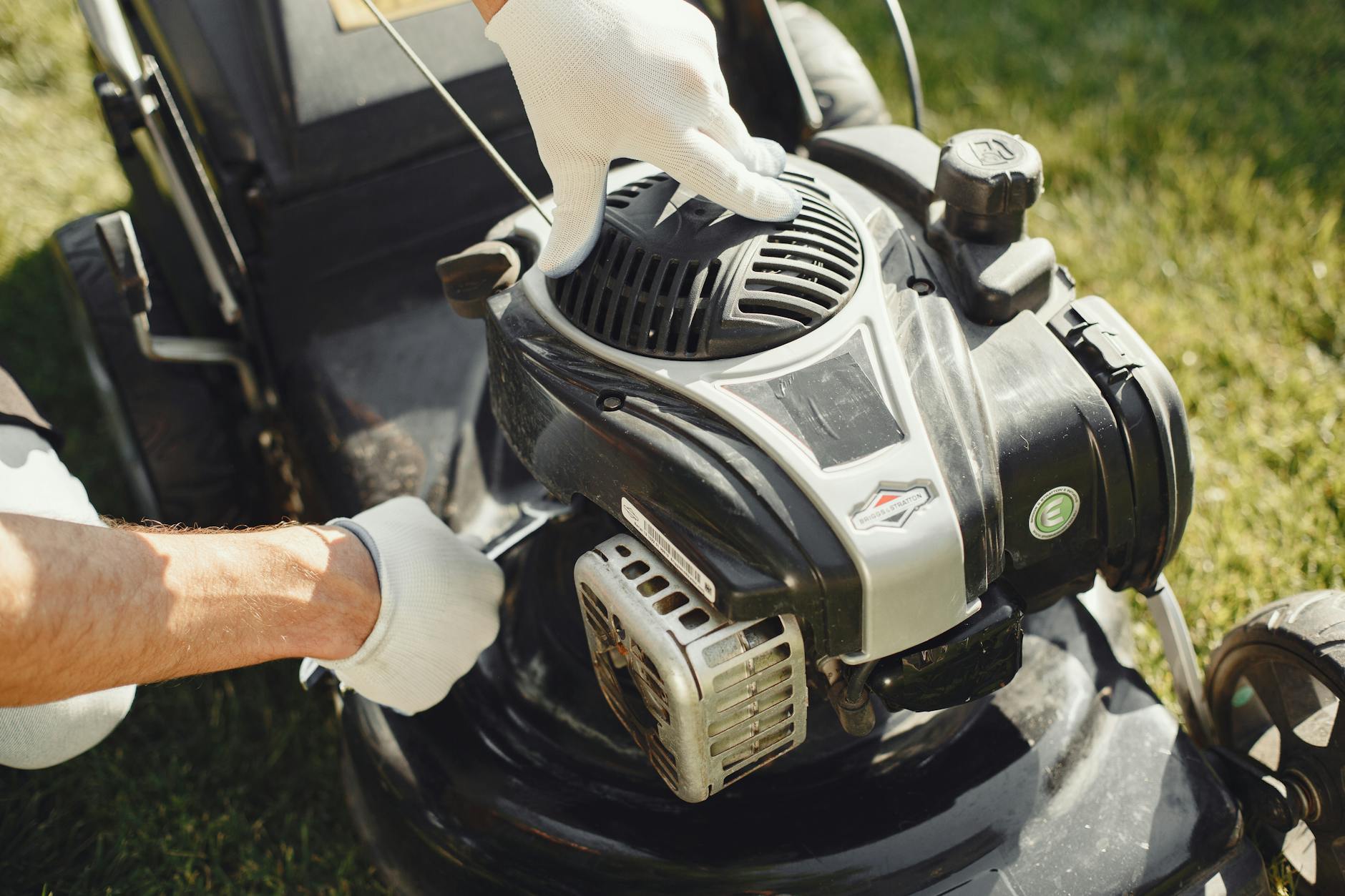
Mowing practices impact lawn health more than most homeowners realize. Set your mower to the appropriate height for your grass type, typically around 2.5–3 inches, to encourage deep root growth and shade out weeds. Avoid cutting more than one-third of the grass height at a time, as excessive trimming can stress the lawn and leave it vulnerable to disease. Keep mower blades sharp for a clean cut, which reduces the risk of tearing and fraying that can weaken grass and invite fungal problems — especially important in our humid Florida climate. Dull blades leave ragged edges that brown out and look terrible within days. If you’re not sure when you last sharpened your blades, it’s probably time. Spring is the perfect moment to get that maintenance done before the heavy mowing season hits.
Water Deeply and Less Frequently
Watering is another essential aspect of spring lawn care, and the approach matters. Newly growing grass requires consistent moisture but should not be overwatered, which can lead to shallow roots and fungal problems. Water deeply and less frequently to encourage deep root development, aiming for about one inch of water per week, including rainfall. Early morning watering is ideal, as it minimizes evaporation and allows grass blades to dry during the day, reducing the risk of disease. In Florida’s heat and humidity, afternoon watering often leads to fungal issues like brown patch or dollar spot, so that early-morning timing really pays off. If you have an irrigation system, adjust your timer as temperatures warm up — you don’t want to be watering the same amount in May that you watered in March.
Address Weeds and Pests Before They Take Over
Weed and pest management should be addressed early in the season, before problems spread. Identify and remove weeds manually or with appropriate herbicides, focusing on problem areas. Keep an eye out for common spring pests such as grubs or chinch bugs that can damage grass roots and devastate your lawn seemingly overnight. Prompt intervention prevents minor issues from becoming widespread problems, protecting both lawn health and home aesthetics. Florida’s warm, moist climate creates ideal conditions for grub infestations, so a quick inspection in late spring can save you headaches in summer.
Think Long-Term for a Resilient Lawn
Consider long-term lawn care strategies that keep your yard healthy year-round. Overseeding thin or bare areas with appropriate grass seed, mulching clippings, and maintaining a consistent fertilization and watering schedule will ensure a healthy, resilient lawn throughout the season. Regular maintenance not only keeps your yard looking great but also increases property value and creates a welcoming outdoor environment for family and guests. A little attention to detail now, in spring, prevents the bigger problems that show up later when the Florida heat cranks up and puts stress on an already struggling lawn.
Spring lawn care is essential for achieving a lush, healthy yard that can handle whatever Central Florida’s weather throws at it. By evaluating soil conditions, cleaning and prepping the lawn, applying fertilizer correctly, mowing properly, watering strategically, and managing weeds and pests, homeowners can enjoy a vibrant and resilient lawn all season long. It’s the difference between a yard that looks healthy and thriving, and one that struggles through the hot months. Stay on top of it now, and you’ll be grateful come June.
Thomas Handyman Service is ready to help with any home repair or maintenance project. Call (352) 234-4248 or schedule service online at https://thomashandymanservice.com/contact/ — we show up on time, and we get it done right.