

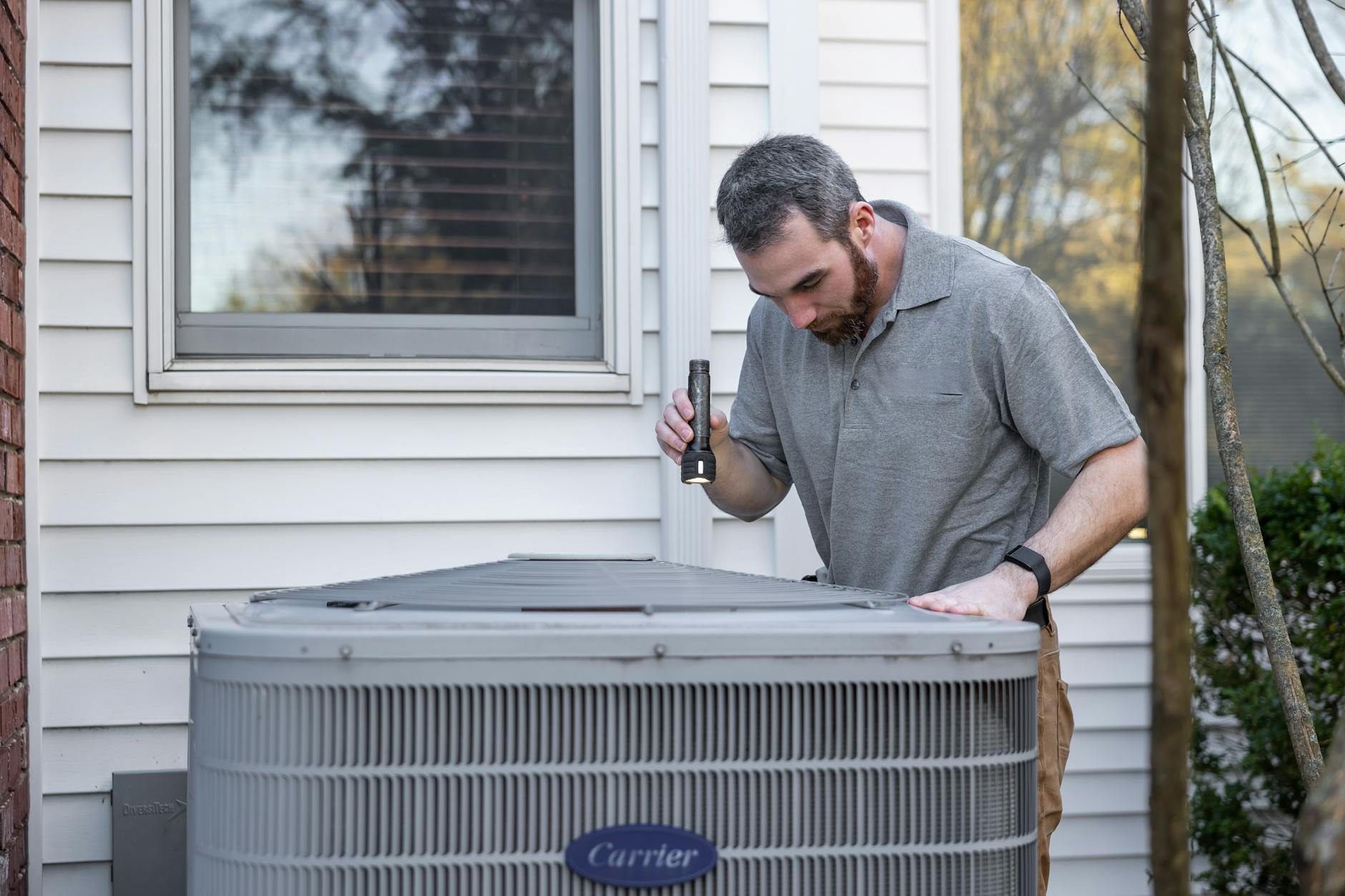
As spring arrives and temperatures begin to rise in Florida, it’s time to get your HVAC system ready for the intense heat and humidity that are right around the corner. A properly maintained heating, ventilation, and air conditioning system ensures your home stays cool and comfortable, keeps your energy bills reasonable, and saves you from emergency repair calls in the middle of July when every contractor in Central Florida is booked solid. Neglecting seasonal maintenance can mean higher utility bills, musty indoor air quality, and the kind of unexpected breakdowns that happen at the worst possible time. By spending a few hours now on routine inspections, cleaning, and basic upkeep, you’ll extend the life of your HVAC system and keep your home comfortable all the way through next winter.
Replace and Inspect Your Air Filters
Start with the simplest but most important task: your air filters. Dirty or clogged filters restrict airflow, forcing your system to work harder and pulling up your electric bill in the process. Standard filters should be replaced every 30 to 90 days depending on how much you use your system, or follow what the manufacturer recommends for high-performance filters. In Florida’s dusty, humid climate, you might find yourself replacing them more often than homeowners up north. Clean filters improve airflow, reduce the circulation of dust, allergens, pollen, and other airborne particles that trigger allergies and respiratory issues, and generally contribute to healthier indoor air quality. While you’re at it, vacuum the vent covers and grilles throughout your home to remove the dust and debris that collects over the seasons.
Clear and Clean Your Outdoor Condenser Unit
Your outdoor condenser unit works hard year-round in Florida’s climate, and spring is the perfect time to give it some attention. Clear away leaves, twigs, grass clippings, and other debris from around the unit to ensure proper airflow. Trim any nearby vegetation, bushes, or vines so that at least two feet of clearance surrounds the entire condenser. Florida’s plants grow fast, and it’s easy for landscaping to creep up and choke your unit without you realizing it. Examine the condenser coils for dirt, algae buildup, or visible damage, and gently clean them using a garden hose with moderate pressure. Never use a high-pressure washer—those delicate aluminum fins bend easily and cost real money to replace. Proper outdoor maintenance ensures efficient heat exchange, reduces strain on your compressor, and adds years to your system’s lifespan.
Check Your Ductwork and Indoor Vents
Move indoors and take a look at your ductwork and vents. Make sure all supply vents and return registers are open and not blocked by furniture, rugs, or closed doors. Check any accessible ductwork in attics, crawl spaces, or basements for leaks, loose connections, or visible damage that could reduce efficiency. Leaks in ducts mean cooled air escapes into spaces you’re not using, which means uneven cooling, higher energy bills, and your system working overtime. Seal small gaps with HVAC-approved mastic or foil tape—don’t use regular duct tape, which deteriorates in Florida’s heat and humidity. Periodically, a professional duct cleaning removes dust, mold spores, and other contaminants that build up over time, especially important in humid Central Florida where mold loves to grow in cool, dark spaces.
Thermostat Settings and Upgrades
Your thermostat is the brain of your whole HVAC system, so make sure it’s working properly. Test it in both heating and cooling modes to confirm consistent operation. If you’re still running an older, non-programmable thermostat, spring is a good time to upgrade to a programmable or smart model. These devices automatically adjust temperatures based on the time of day and whether anyone’s home, saving energy without sacrificing comfort. During Florida’s long summers, a smart thermostat can keep your system from cooling an empty house, which adds up to real savings over months of operation. Replace batteries in battery-operated models, and if you have a digital display, check that all the information reads correctly.
Refrigerant Lines and Insulation
Inspect the refrigerant lines that run between your indoor and outdoor units. Look for any visible leaks, damaged insulation, or worn copper tubing. Low refrigerant levels or exposed lines reduce cooling efficiency and can damage the compressor—the most expensive part of your system to replace. If you notice unusual noises from the unit, ice buildup on the coils, or poor cooling performance despite the system running, call a licensed HVAC technician right away to check refrigerant levels and overall system health. Catching problems early costs far less than waiting until your system fails completely.
Schedule Professional Spring Maintenance
A licensed HVAC technician brings tools and expertise you don’t have. They check electrical connections, capacitors, fan motors, and overall system function in ways that catch small problems before they become big ones. Annual professional maintenance helps your system operate at peak efficiency, extends its lifespan, and gives you peace of mind knowing someone who really knows HVAC has looked things over. Combine professional service with your regular homeowner maintenance, and you’ve got a system that will serve you reliably through Florida’s hot months and beyond.
Spring HVAC maintenance isn’t complicated, but it matters. A little attention now prevents breakdowns, keeps your energy costs down, and maintains the healthy indoor environment your family deserves. Taking care of your HVAC system is like taking care of anything else in your home—regular upkeep beats emergency repairs every single time.
Thomas Handyman Service is ready to help with any home repair or maintenance project. Call (352) 234-4248 or schedule service online at https://thomashandymanservice.com/contact/ — we show up on time, and we get it done right.