

Spring is an ideal time to inspect and maintain your fences and gates. Florida’s winter can be unpredictable—one week it’s freezing, the next you’re dealing with humidity and rain—and that kind of weather swings hard on fences and gates. Winter moisture, salt air (especially if you’re near Citrus or Sumter County coastal areas), and temperature changes can cause real damage to wood, vinyl, or metal fences. By performing a thorough spring maintenance routine, you’ll prevent costly repairs down the road, keep your curb appeal sharp, and make sure your fence is still doing its job—keeping kids and pets safe, securing your property, and looking like you care about your home.
Walk Your Entire Fence Line and Look for Trouble
Begin by performing a visual inspection of your entire fence and gate system. Walk the perimeter—the whole thing—and look for loose or missing boards, panels, or pickets. In Florida’s humid climate, wood damage happens fast, so pay close attention to the base of posts and any boards that face the wettest side of your property. Check posts to ensure they are secure and upright; leaning or wobbly posts can indicate foundation issues, rot, or concrete heave from freeze-thaw cycles. Examine gate hardware, including hinges, latches, and locks, to ensure smooth operation and proper alignment. Identifying these issues early allows homeowners to address minor repairs before they escalate into larger, more expensive problems. A gate that’s slightly out of alignment now won’t fix itself—it’ll just get worse every time someone uses it.
Get Your Fence Clean and Show It Off
Next, clean your fence thoroughly. Florida’s humidity and year-round warmth mean mold, mildew, and algae love your fence, especially the shady side. Remove dirt, moss, algae, and debris using a soft brush or a pressure washer on a low setting, being careful not to damage the surface. For wood fences, consider using a gentle wood cleaner that restores appearance and removes mildew—this is especially important in Central Florida where moisture hangs around longer than you’d like. Vinyl fences can be cleaned with soap and water, while metal fences may require rust remover or a mild detergent. A good cleaning does more than just make your fence look sharp; it also prepares the surface for sealing, painting, or staining, and it lets you see what damage is hiding under the grime.
Check for Damage That Needs Real Attention
After cleaning, inspect fences for signs of rot, rust, or decay. Wood fences should be checked for soft spots or splintering, particularly near the base where moisture collects—this is where Florida’s climate does the most damage. Press on suspicious spots with a screwdriver; if the wood feels soft or the screwdriver sinks in easily, you’ve got rot that needs replacing. Metal fences may have rusted areas that need sanding and protective paint, especially if they took salt spray or sat near sprinkler overspray all winter. Vinyl fences can develop cracks or discoloration, which may require patching or replacement. Addressing these issues promptly preserves structural integrity and prevents further damage. A small soft spot in a post today becomes a structural problem next year if you ignore it.
Make the Repairs That Matter
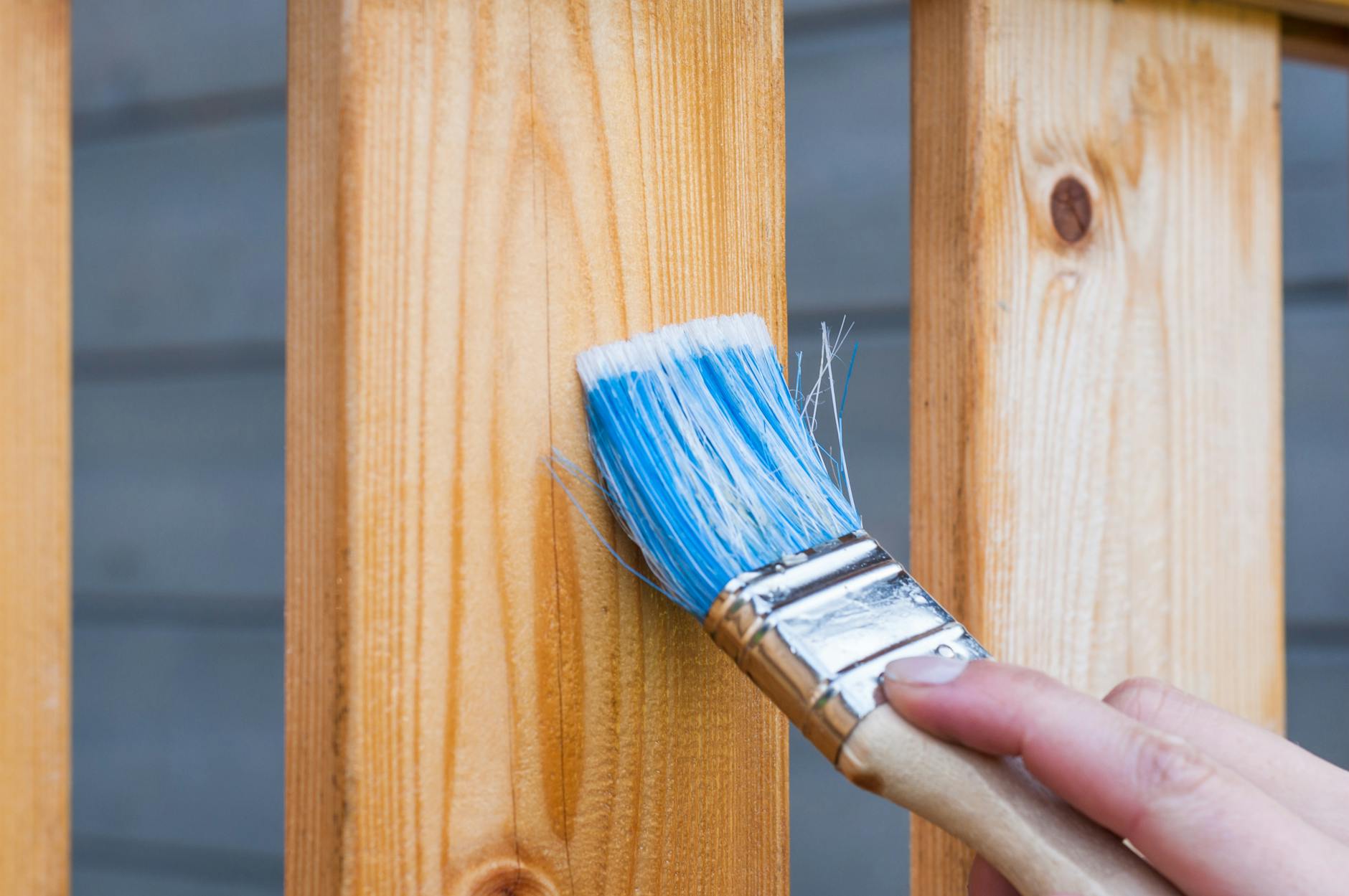
Repair any damage found during inspection. Replace missing or broken boards, panels, or pickets, and reinforce weak posts with concrete or support brackets as needed. Adjust gates to ensure proper alignment and smooth operation—a gate that drags or doesn’t close properly is a security issue, not just an annoyance. Lubricate hinges and locks with a weather-resistant lubricant to prevent squeaking and corrosion. Regular maintenance keeps your fence functional and ensures security for children, pets, and property. For wood fences, applying a protective stain or sealant is essential. After cleaning and allowing the wood to dry completely, apply a high-quality sealant to protect against moisture, UV damage, and insect activity. Reapply as recommended by the manufacturer, typically every 2–3 years, to maintain durability and appearance. In Florida’s sun, that schedule might need to happen sooner—UV damage here is serious. For metal fences, apply rust-resistant paint if necessary, and for vinyl fences, inspect for and repair cracks as needed.
Keep the Area Around Your Fence in Order
Finally, consider landscaping around your fence. Trim overgrown bushes, vines, and tree branches that can rub against or damage the fence over time. Vines and creeping plants might look nice, but they trap moisture against the fence and accelerate rot. Ensure proper drainage near fence posts to prevent water accumulation, which can lead to rot or erosion—especially important in Florida’s low-lying areas or if your property slopes toward the fence. Keeping the surrounding area well-maintained extends the life of your fence and enhances your property’s overall appearance. Don’t let mulch pile up against the base of wooden posts; it holds moisture and invites termites and wood rot.
Don’t Forget the Gates
Gates take more abuse than any other part of your fence because they move, settle, and get slammed. During spring maintenance, pay special attention to gate frame stability, hinge alignment, and latching mechanism operation. A gate that sags or doesn’t latch properly isn’t just a nuisance—it’s a liability if someone or something gets out when they shouldn’t. Replace worn hardware, adjust for proper swing, and test the lock multiple times. Gates are often the first thing visitors notice, so a well-maintained gate signals that you take care of your property.
Regular spring maintenance of fences and gates is essential for safety, durability, and aesthetics. By inspecting, cleaning, repairing, sealing, and maintaining surrounding landscaping, homeowners can prevent costly repairs and preserve the functionality and beauty of their fence. In Florida’s climate, staying on top of fence maintenance isn’t optional—it’s the difference between a fence that lasts and one that falls apart in a few years. The effort you put in now will pay back tenfold in the years ahead.
Thomas Handyman Service is ready to help with any home repair or maintenance project. Call (352) 234-4248 or schedule service online at https://thomashandymanservice.com/contact/ — we show up on time, and we get it done right.