

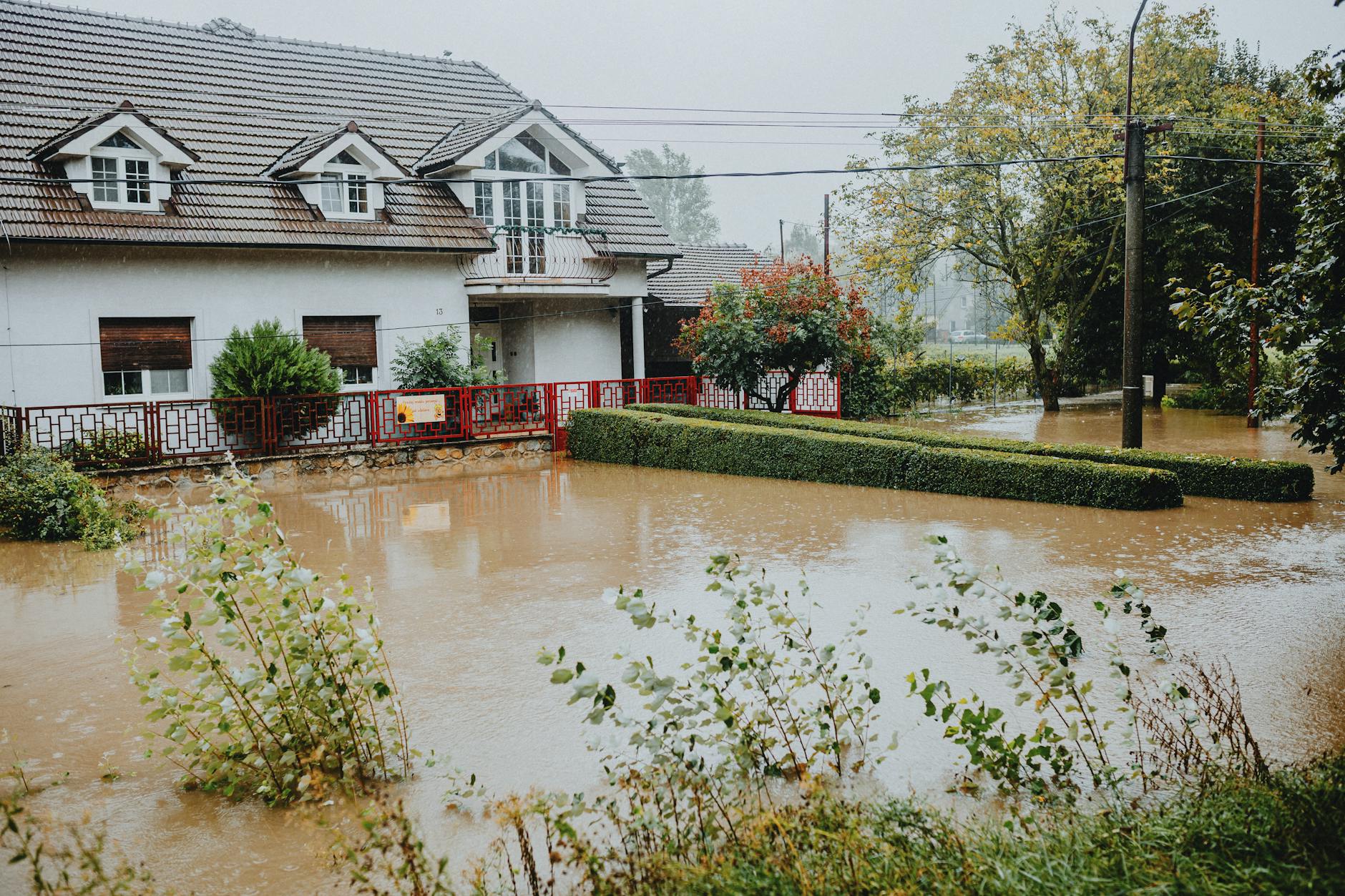
Water damage is one of the most common and expensive problems homeowners face in Florida. Between heavy summer storms, humidity that seems to live in your walls, and the way water just finds its way into places you didn’t know existed, staying ahead of leaks and moisture is critical. Leaks, condensation, and poor drainage can cause structural damage, mold growth, and costly repairs if left unchecked. Preventing water damage requires consistent inspections, proactive maintenance, and prompt attention to small issues before they escalate. This guide provides essential steps to safeguard your home from water-related problems and maintain a safe living environment for your family.
Inspect Your Roof and Flashing
The roof protects your home from rain and weather-related damage, and in Florida, that means taking a beating from afternoon downpours and the occasional hurricane. Check shingles for cracks, curling, or missing pieces, and inspect flashing around chimneys, vents, and skylights where water loves to sneak in. Small leaks can quickly cause interior water damage if not addressed, and Florida’s humidity means mold can follow within days. For safety, hire a professional for multi-story homes or hard-to-reach areas. Regular roof inspections extend the lifespan of your roof and prevent water from infiltrating your home during heavy rain or storms. If you’re in The Villages or surrounding areas, yearly inspections are a smart investment given our weather patterns.
Clean and Maintain Gutters
Clogged gutters can cause water to overflow, damaging siding, foundations, and landscaping. Remove leaves, twigs, and debris, and flush gutters with water to ensure proper flow. Verify that downspouts direct water at least three to four feet away from the foundation. For multi-story homes, professional cleaning is recommended. Maintaining gutters prevents water accumulation and reduces the risk of structural damage or basement flooding. In Florida, where we get sudden heavy rains followed by that stagnant humidity, clogged gutters become a breeding ground for problems. Don’t skip this one during spring and again in late fall.
Inspect Plumbing and Appliances
Leaks often develop around sinks, toilets, and appliances like washing machines and water heaters. Examine pipes, valves, and appliance connections for signs of corrosion or moisture. Small leaks can waste water, damage flooring, and promote mold growth. Repair or replace worn components promptly. Regular plumbing inspections allow homeowners to address minor issues before they become major problems. Florida’s hard water can be particularly tough on pipes and connections, so pay attention to any slow leaks or discoloration around fixtures. If you notice water pooling under your water heater or see rust stains, don’t wait—these are signs of a slow leak that will only get worse.
Monitor Basements and Crawl Spaces
Basements and crawl spaces are particularly vulnerable to moisture and flooding, especially in Central Florida where the water table can be deceptively high. Inspect these areas for standing water, dampness, or mold. Ensure proper ventilation and consider a dehumidifier if humidity is high. Seal cracks in foundation walls or floors and apply waterproofing products as needed. Early detection in these areas prevents long-term structural damage and costly remediation. Many homeowners don’t realize how much moisture can accumulate in crawl spaces, which can affect the entire home. If you smell mustiness or notice soft spots in your flooring above the crawl space, moisture is already doing damage.
Check Windows and Doors
Water can enter through poorly sealed windows and doors, and Florida’s coastal humidity and salt air can degrade weatherstripping faster than you’d expect. Inspect caulking and weatherstripping for gaps, cracks, or deterioration. Reapply sealant where necessary. Properly sealed openings prevent leaks, protect interior finishes, and improve energy efficiency. For homes in flood-prone or storm-prone areas, consider impact-resistant windows or storm shutters to further protect your property. This is especially important if you’re near lakes or low-lying areas in our region.
Maintain Exterior Drainage
Ensure that the land around your home slopes away from the foundation. Clear debris from drains, swales, and grading channels. Standing water near your foundation can weaken structural integrity and contribute to water intrusion indoors. Proper drainage is essential for preventing water-related damage and preserving your home’s foundation. Florida’s relatively flat terrain means drainage has to be intentional—you can’t rely on natural slope. If water pools near your foundation after rain, you have a problem that needs fixing.
Install Water Detection Devices
Water leak sensors and smart monitoring devices can alert you to potential leaks before significant damage occurs. Place sensors near water heaters, under sinks, and by appliances prone to leaks. Early detection allows you to respond quickly, minimizing damage and repair costs. Combining sensors with regular inspections provides a robust water damage prevention strategy. These inexpensive devices are a smart investment and give you peace of mind when you’re away from home for extended periods.
Know the Signs of Hidden Water Damage
Sometimes water damage isn’t obvious until it’s already serious. Watch for soft or spongy spots in flooring, discoloration on ceilings or walls, peeling paint or wallpaper, and that telltale musty smell that signals mold is growing somewhere. Buckling drywall, warped wood trim, and rust stains on appliances or fixtures are all red flags. If you notice any of these signs, get a professional look at it right away. Water damage can hide behind walls and under floors, so don’t assume a small stain is the extent of the problem.
Preventing water damage requires ongoing vigilance, maintenance, and early action. Addressing roof, plumbing, drainage, and moisture issues protects your home, reduces repair costs, and ensures a safe living environment. At Thomas Handyman Service, we’ve seen firsthand how quickly water damage can escalate when it’s ignored, and we’re here to help you stay ahead of it with professional inspections, plumbing repairs, gutter cleaning, and waterproofing services.
Thomas Handyman Service is ready to help with any home repair or maintenance project. Call (352) 234-4248 or schedule service online at https://thomashandymanservice.com/contact/ — we show up on time, and we get it done right.