

Storm season in Florida isn’t just a weather forecast talking point—it’s something you prepare for the same way you’d get your car serviced before a long road trip. Whether it’s the afternoon thunderstorms that roll through The Villages in summer or the serious systems that come up from the Caribbean, your home needs to be ready to handle what Mother Nature throws at it. Taking proactive steps now prevents the kind of costly repairs and headaches that catch homeowners off guard when the wind picks up and the rain starts coming sideways. The good news is that most of this work is straightforward, and you don’t need to be a contractor to get it done.
Inspect Your Roof and Flashing
Your roof is your home’s first line of defense, and in Florida it takes a beating from sun, salt air, and moisture. Look for shingles that are cracked, curling, or missing—even one compromised shingle can let water into your attic during a heavy downpour. Check the flashing around chimneys, vents, and skylights too; that’s where leaks often start sneaking in. If you’re not comfortable climbing a ladder to inspect the roof yourself (and honestly, most people shouldn’t), hire a professional to do a thorough walkthrough. They’ll spot problems you can’t see from the ground. Regular roof maintenance doesn’t just extend the life of your shingles—it’s the difference between a storm that you barely notice and one that has you calling a water damage restoration crew at midnight.
Clean Gutters and Downspouts
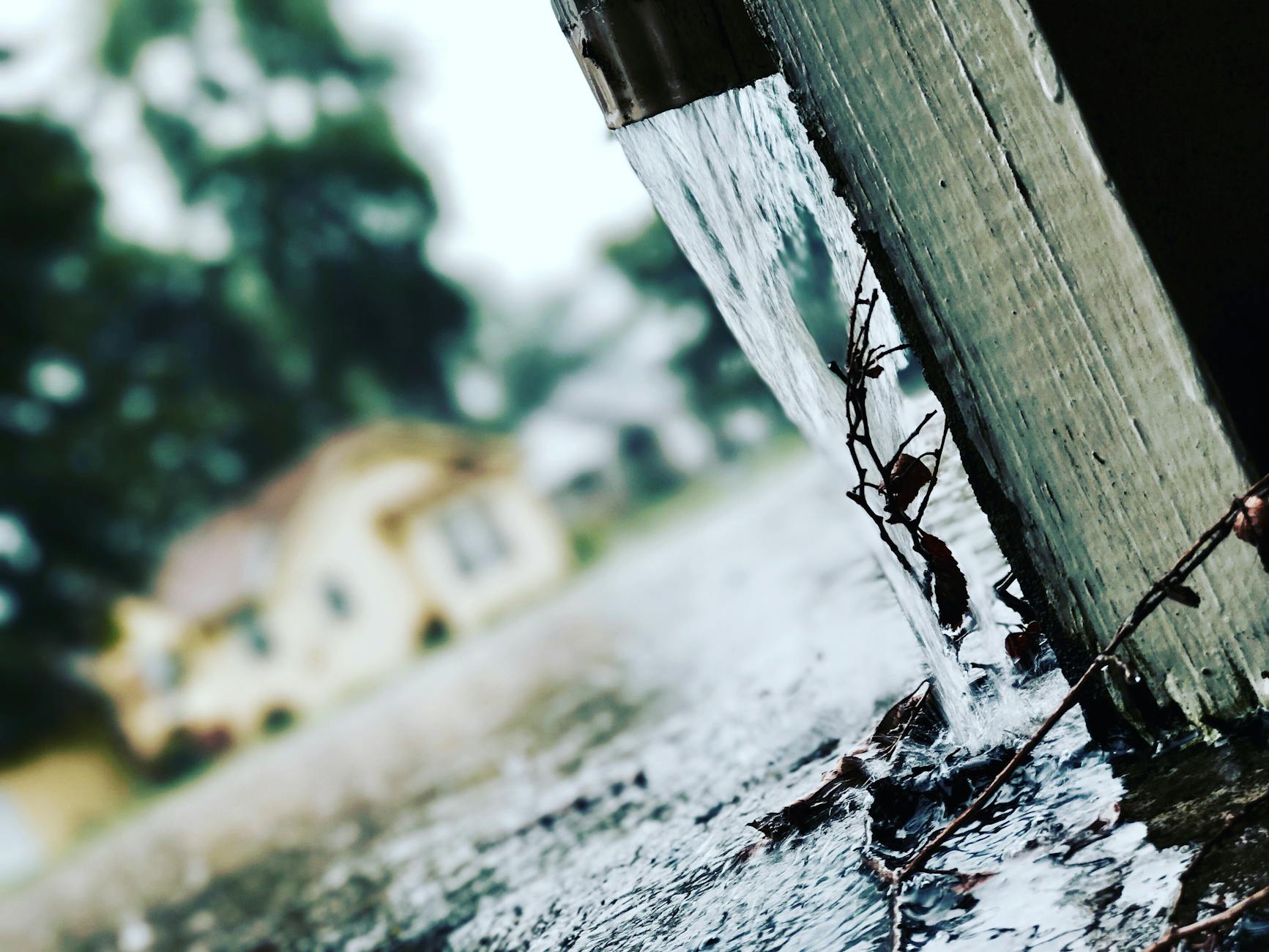
Clogged gutters are basically an open invitation for water damage. When leaves, pine needles, and debris pile up in your gutters, water overflows and runs down your siding, seeps into your foundation, or pools around your home’s perimeter. Spend an afternoon cleaning them out, flushing the system with a hose to make sure water flows freely, and checking that your downspouts extend at least four to six feet away from the foundation. If your home is two stories or your gutters are just awkward to access, it’s worth hiring someone to do this job safely and thoroughly. Think of clean gutters as cheap insurance—the cost of cleaning is nothing compared to the expense of foundation damage or water intrusion in your crawlspace.
Trim Trees and Shrubs
Florida’s trees grow fast and dense, which is great for shade and curb appeal until a storm comes through. Branches hanging over your roof, pressing against windows, or crossing power lines are accidents waiting to happen. Trim them back, remove dead wood, and take out limbs that look weak or diseased. This isn’t just about storm season either—dead branches can drop at any time, and overhanging limbs can damage your roof or gutters even in regular weather. Healthy, well-maintained trees are also less likely to fail during high winds. If you’ve got large oaks or pines that need significant work, get a professional arborist to do the job—they know how to prune safely without harming the tree.
Secure Outdoor Items and Reinforce Structures
Anything that’s loose becomes a projectile in high winds—patio furniture, grills, potted plants, decorative items, outdoor cushions. Bring them inside or secure them down when storms are forecast. While you’re at it, inspect your deck, fence, and any outbuildings for loose boards, rusted bolts, or structural weakness. A fence that’s wobbling now will fall over in real wind. Sheds should be anchored properly; gates should close smoothly and latch securely. Take time to walk your property and think like a storm—what could move, fly away, or break? Address it before the wind gets there.
Check Windows, Doors, and Seals
Windows and doors are where wind and water pressure concentrate during storms. Look for gaps, cracks, peeling caulk, or weatherstripping that’s compressed or missing. A good seal keeps water out and helps maintain pressure inside your home. In high-wind areas, impact-resistant windows or storm shutters add real protection, but even replacing old caulk around standard windows makes a difference. Don’t overlook sliding glass doors either—they’re common entry points for water leaks. If you see daylight coming through a gap, that’s a red flag.
Maintain Proper Drainage and Grade
Water management is huge in Florida, where heavy rain can pile up fast and the water table is already high in many areas. Make sure the ground around your home slopes away from the foundation—you want water moving away, not pooling against your walls. Clear out storm drains, catch basins, and drainage swales on your property. Check that gutters and downspouts actually carry water away from the house and don’t just dump it next to the foundation. Proper drainage prevents foundation cracks, keeps water out of your crawlspace, and reduces mold risk. It’s one of those things that doesn’t cost much upfront but saves thousands if water gets where it shouldn’t.
Stock Emergency Supplies and Make a Plan
Beyond physical home preparation, have a plan and supplies ready. Flashlights, batteries, bottled water, non-perishable food, a first aid kit, and medications should be easily accessible. Store important documents—deeds, insurance papers, photos of your home and valuables—in waterproof containers or digitally backed up in the cloud. Know your evacuation routes, identify local shelters, and have a way to communicate with family if phone lines go down. A plan takes an hour to put together but gives you peace of mind that you know what to do when things get serious.
Home maintenance before storm season isn’t glamorous work, but it’s the kind of thing that keeps storms from turning into disasters. A few hours spent checking your roof, clearing gutters, and securing loose items can prevent months of cleanup and repairs. It’s the difference between weathering the season with confidence and spending it worried about what’s going to break next.
Thomas Handyman Service is ready to help with any home repair or maintenance project. Call (352) 234-4248 or schedule service online at https://thomashandymanservice.com/contact/ — we show up on time, and we get it done right.