

For the winter birds who haven’t made it back to Florida yet or the folks back in Colorado and Illinois, remember to winterize your home.
As winter approaches, preventing frozen pipes is crucial to avoid water damage, costly repairs, and disruption to your home’s water supply. Freezing temperatures can cause pipes to expand and burst, leading to leaks, flooding, and structural damage. By inspecting, insulating, and maintaining plumbing systems, homeowners can safeguard their property and ensure reliable water access throughout winter. This guide provides detailed steps for preventing frozen pipes and associated water damage.
Start with a comprehensive inspection of your plumbing system. Examine exposed pipes in basements, attics, crawl spaces, and garages for signs of wear, corrosion, or leaks. Look for loose fittings, cracks, or areas that are vulnerable to cold exposure. Early detection allows for timely repairs, preventing pipe bursts and water damage during freezing temperatures.
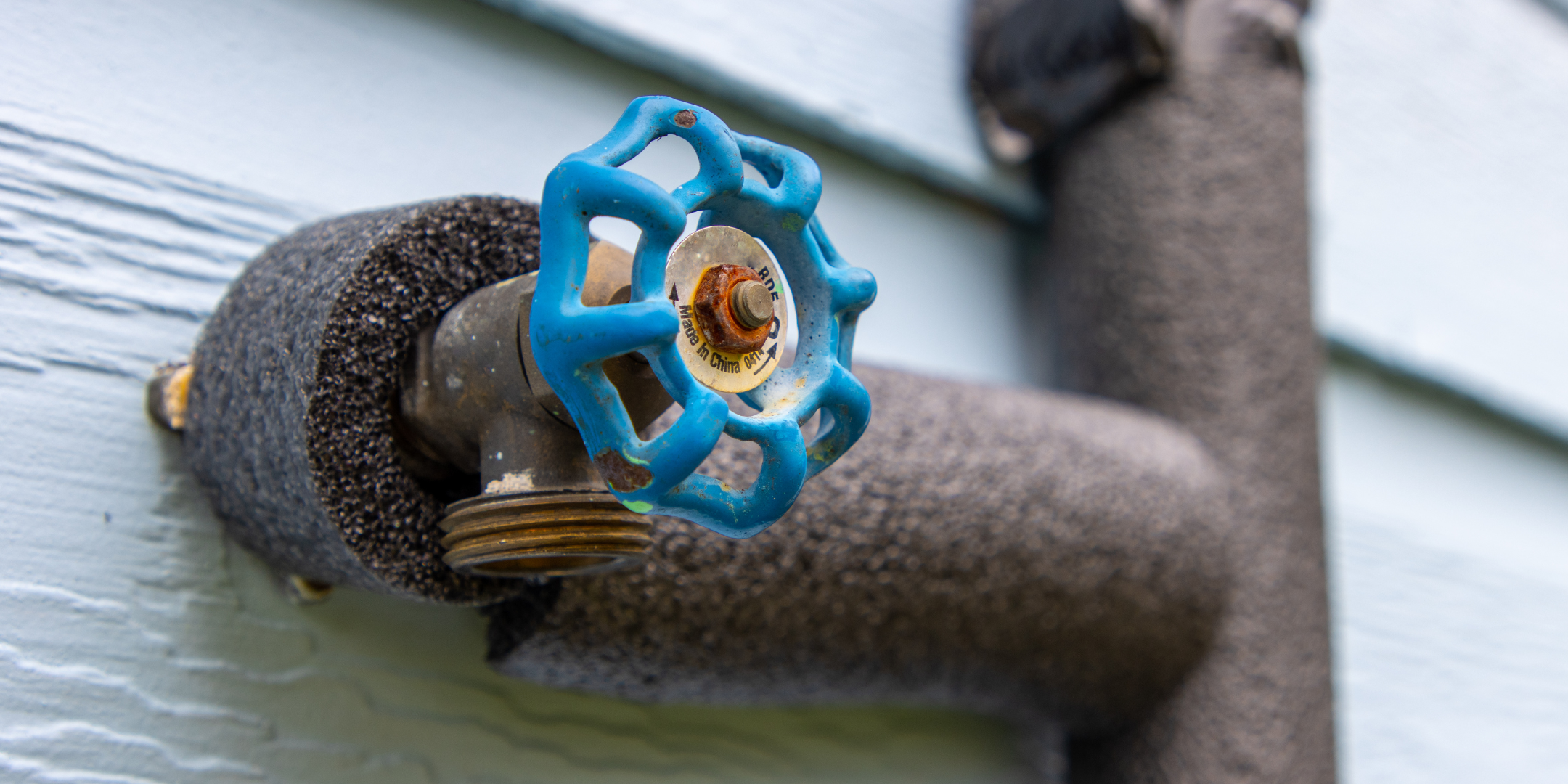
Insulate exposed pipes. Apply foam pipe insulation, heat tape, or other approved materials to pipes that are susceptible to freezing. Ensure complete coverage, securing insulation with tape or clamps as necessary. Proper insulation maintains pipe temperature, reduces heat loss, and prevents freezing during cold weather.
Drain outdoor hoses and irrigation systems. Disconnect hoses, remove water from sprinklers, and shut off outdoor valves. Store hoses and equipment indoors or in a sheltered area to prevent freezing, cracking, or damage. Proper drainage protects outdoor plumbing and irrigation components from winter damage.
Seal gaps and openings near plumbing. Check areas where pipes enter walls or crawl spaces for drafts or cold air infiltration. Apply caulk, foam, or weatherstripping to seal openings. Sealing prevents cold air from reaching pipes, reducing the likelihood of freezing and improving energy efficiency.
Check faucets and valves. Ensure all outdoor and exposed indoor faucets are functioning properly. Replace worn washers, repair leaks, and install frost-proof valves if possible. Well-maintained faucets prevent leaks and maintain water flow during winter months.
Allow a slow trickle of water in vulnerable pipes during extreme cold. Running water through pipes keeps them from freezing and relieves pressure buildup. This temporary measure is effective for preventing bursts in particularly cold areas or during sudden temperature drops.
Consider installing pipe heating devices. Heat cables or pipe heaters can provide consistent warmth to susceptible areas. Follow manufacturer instructions for safe installation and operation. Heating devices offer an added layer of protection for critical plumbing systems in extremely cold climates.
Maintain indoor temperature above freezing. Keep your home heated to a consistent temperature, especially in areas where pipes are located. Avoid turning off heat in unoccupied rooms or areas with plumbing. Proper indoor temperature control prevents freezing and reduces the risk of damage to pipes and fixtures.
Finally, establish a seasonal maintenance routine. Schedule annual inspections, insulation updates, and preventive measures before winter. Keep records of maintenance tasks and note areas that may require professional attention. Consistent preparation protects your plumbing system, prevents damage, and ensures reliable water access throughout the winter.
In conclusion, preventing frozen pipes and water damage is essential for protecting your home, avoiding costly repairs, and maintaining reliable water supply during winter. By inspecting pipes, insulating vulnerable areas, draining outdoor systems, sealing openings, and implementing preventive measures, homeowners can safeguard their plumbing systems and enjoy peace of mind. Thomas Handyman Service provides professional plumbing inspections, winterization, and maintenance services to keep your home safe and efficient. Call 352-234-4248 or schedule service online at https://thomashandymanservice.com/contact/ for a free estimate.