

As winter approaches, maintaining your home’s heating system is essential to ensure warmth, safety, and energy efficiency. Proper heating system maintenance prevents breakdowns, reduces utility costs, and provides consistent comfort during cold months. By inspecting, servicing, and performing routine maintenance on furnaces, heat pumps, radiators, and ductwork, homeowners can enjoy a reliable and efficient heating system. This guide provides detailed steps for heating system maintenance before winter.
Start with a comprehensive inspection of your heating system. Examine furnaces, heat pumps, boilers, radiators, and thermostats for signs of wear, damage, or malfunction. Check for unusual noises, odors, or irregular airflow. Early detection of issues allows for timely repairs, preventing costly breakdowns and ensuring safe operation throughout winter.
Replace or clean air filters. Dirty or clogged filters reduce airflow, decrease efficiency, and can damage system components. Inspect filters monthly and replace them as necessary, following manufacturer recommendations. Clean filters improve indoor air quality, energy efficiency, and system performance.
Inspect ductwork and vents. Check for leaks, loose connections, or blockages in ducts and vents that may reduce system efficiency. Seal gaps using approved materials, and remove debris or obstructions from vents. Properly maintained ductwork ensures even heat distribution, reduces energy waste, and enhances comfort throughout your home.
Test thermostats and control systems. Ensure thermostats are functioning correctly and accurately control temperature settings. Consider upgrading to programmable or smart thermostats for improved energy savings and convenience. Proper thermostat operation improves comfort and reduces unnecessary energy consumption.
Schedule professional servicing. Have a certified HVAC technician inspect, clean, and tune your system. This may include checking burners, heat exchangers, electrical connections, and refrigerant levels. Professional maintenance extends system lifespan, enhances safety, and ensures optimal performance during winter.
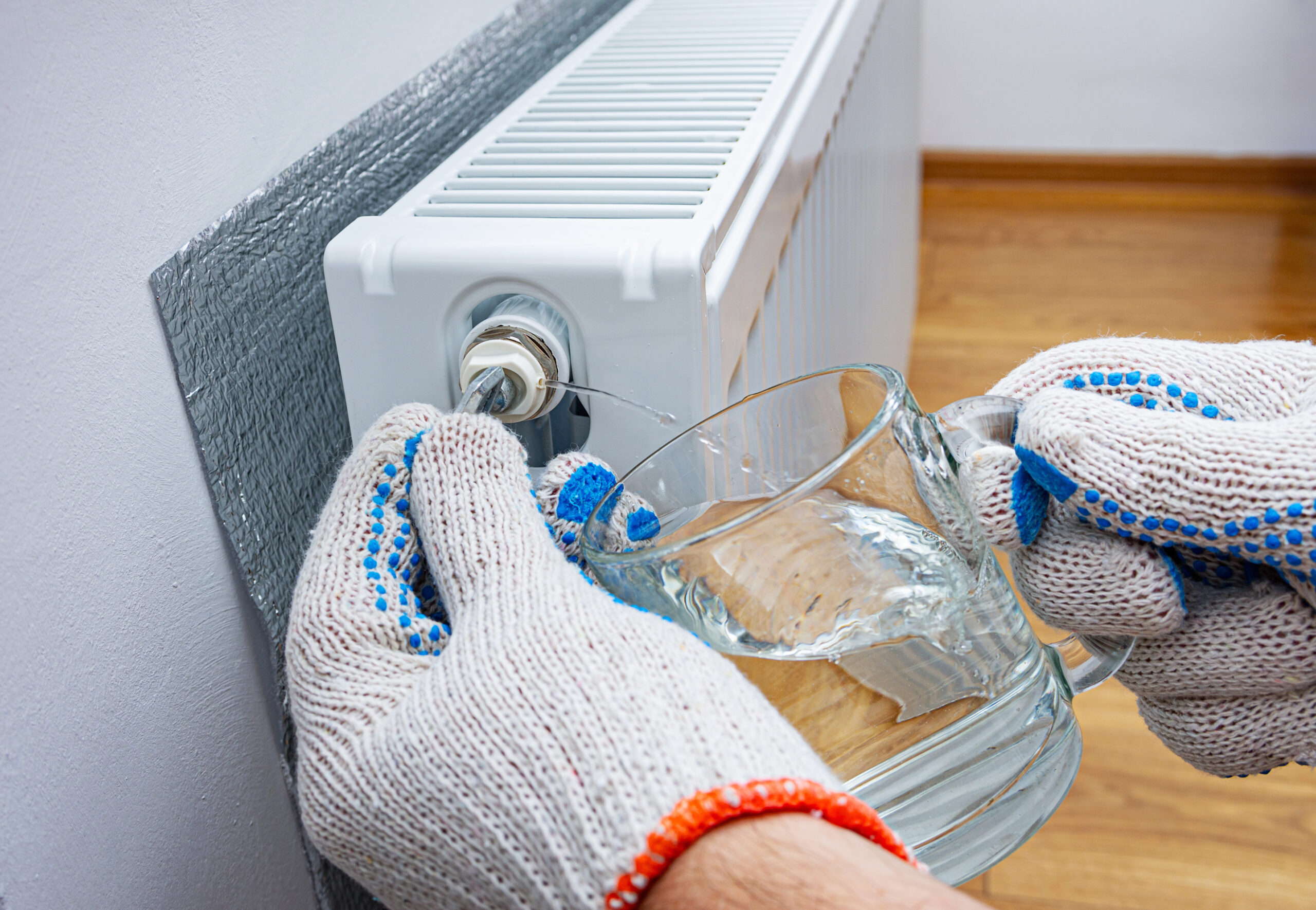
Inspect radiators, baseboard heaters, or supplemental heating units. Check for leaks, corrosion, or blockages that may reduce efficiency. Bleed radiators if necessary to remove trapped air, improving heat distribution. Proper maintenance of all heating components ensures consistent warmth and reduces the risk of cold spots.
Check carbon monoxide detectors. Heating systems that use gas, oil, or propane can produce carbon monoxide if malfunctioning. Test detectors and replace batteries to ensure proper operation. Proper monitoring provides safety for all household members during heating system operation.
Inspect vents, chimneys, and flues for blockages or damage. Remove debris, nests, or obstructions that could restrict airflow or cause dangerous emissions. Ensure that all components are functioning properly to prevent fire hazards or carbon monoxide buildup. Safe and clear ventilation is critical for heating system efficiency and household safety.
Finally, establish a seasonal maintenance routine. Plan inspections, filter changes, duct cleaning, and professional servicing annually before winter. Keep records of maintenance activities and note areas that may require attention. Consistent upkeep reduces repair costs, improves energy efficiency, and ensures reliable performance throughout the season.
In conclusion, heating system maintenance before winter is crucial for comfort, efficiency, and safety. By inspecting systems, replacing filters, checking ducts, testing thermostats, servicing professionally, and monitoring safety devices, homeowners can prevent breakdowns, reduce energy costs, and enjoy consistent warmth during cold months. Thomas Handyman Service provides professional heating system inspections, maintenance, and repairs to keep your home safe, efficient, and comfortable. Call 352-234-4248 or schedule service online at https://thomashandymanservice.com/contact/ to ensure your heating system is winter-ready today.